
Advances In Precision Delivery In CNS Oncology
By Marc Hedrick, MD, president and CEO, Plus Therapeutics
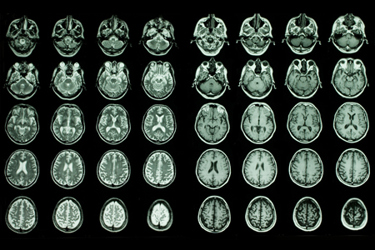
Despite decades of progress in oncology, patients diagnosed with cancers of the central nervous system (CNS) continue to face limited treatment options and poor outcomes. Primary brain tumors and metastatic disease to the brain and leptomeninges remain among the most challenging conditions in medicine, largely due to biological complexity, treatment resistance, and the difficulty of delivering therapies safely and effectively to the CNS.
At Plus Therapeutics, we believe addressing these challenges requires rethinking how cancer therapies are designed, delivered, and evaluated. By combining targeted radiotherapeutics with innovative drug delivery approaches, we aim to expand what is possible for patients with some of the most aggressive and underserved cancers.
Understanding The Unique Challenges Of CNS Cancers
Unlike tumors in many other parts of the body, CNS cancers present a dual challenge: eradicating malignant cells while preserving critical neurological function. The blood–brain barrier limits the penetration of many systemic therapies, while conventional treatments, such as surgery and external beam radiation, may fall short for infiltrative or disseminated disease.
In conditions such as gliomas or leptomeningeal metastases, cancer cells can spread diffusely throughout the CNS, making focal treatments insufficient. Systemic chemotherapies may struggle to reach therapeutic concentrations at the site of disease, and cumulative toxicity often limits dosing.
These realities demand therapies that are not only potent but also precisely targeted and locally delivered.
Targeted Radiotherapeutics: A Precision Approach
Radiation has been used to treat cancer for over a century, yet advances in molecular targeting and radiopharmaceutical development are transforming its potential. Targeted radiotherapeutics are designed to deliver cytotoxic radiation directly to tumor cells while minimizing exposure to healthy tissue.
Our approach centers on harnessing the therapeutic power of radiation in a highly controlled manner by pairing radioisotopes with delivery methods that localize treatment where it is needed most. This strategy is particularly promising in CNS cancers, where precision is essential and systemic exposure must be limited.
By focusing radiation at the cellular level, targeted radiotherapeutics may overcome resistance mechanisms that limit the effectiveness of traditional therapies, offering a new avenue for patients who have exhausted standard options.
The Importance Of Innovative Drug Delivery
Even the most powerful therapeutic agents are ineffective if they cannot reach the tumor. For CNS cancers, this challenge is paramount. Innovative delivery methods, such as convection-enhanced delivery, offer the potential to bypass the blood–brain barrier entirely.
Plus Therapeutics’ platform, with lead drug REYOBIQ, focuses on localized delivery of radiotherapeutics to address limitations associated with conventional radiation therapy, particularly the difficulty of achieving sufficient radiation exposure at the tumor while avoiding healthy tissue. The approach pairs Rhenium‑186, a radioisotope with a short beta‑radiation path length and inherent imaging capability, with a nanoliposome carrier. The nanoliposomes are engineered at approximately 100 nanometers to support retention at the site of administration and to slow dispersion into systemic circulation, allowing radiation to remain concentrated within tumor tissue for an extended period rather than clearing within hours.
The formulation is administered directly to the anatomical space where the tumor is located, such as the cerebrospinal fluid for leptomeningeal metastases, enabling higher local exposure than would be feasible with intravenous delivery. Because Rhenium‑186 also emits gamma photons, clinicians can image the treatment area before and after administration to confirm localization and evaluate distribution, providing feedback on dosing and retention. This combination of localized delivery, physical containment within the carrier, and image-based verification is intended to support more controlled radiation exposure in anatomically sensitive or difficult-to-treat tumors like those typically in the CNS. This approach also opens the door to treating diffuse or multifocal diseases that would be difficult to address with surgery or focused radiation alone.

Importantly, novel delivery strategies must be developed alongside robust diagnostics and monitoring tools to ensure accurate targeting, patient selection, and assessment of treatment response.
The Role Of Advanced Diagnostics In Precision CNS Care
Innovative therapeutics alone are not enough to transform outcomes in CNS cancers. Equally critical is the ability to accurately diagnose disease, monitor progression, and assess treatment response within the central nervous system. Traditional diagnostic tools often fall short, particularly in conditions such as leptomeningeal metastases, where disease can be diffuse, difficult to visualize on imaging, and challenging to confirm using conventional cerebrospinal fluid (CSF) cytology.
This is where diagnostic approaches to CSF analysis become particularly relevant. Using our CNSide technology, we can detect and characterize tumor cells in the central nervous system using CSF samples, offering a different methodology from standard-of-care CSF cytology, which relies on microscopic examination and can be limited by low sensitivity and variability in interpretation.
For companies developing precision therapies, high-quality diagnostics are foundational. Improved diagnostic insight supports better clinical trial design, more meaningful endpoints, and clearer interpretation of therapeutic impact, particularly in diseases where radiographic changes may lag behind biological response.
The integration of innovative diagnostics with targeted radiotherapeutics represents a more holistic approach to CNS cancer care. When physicians can pair precise treatment delivery with accurate, quantitative monitoring of disease burden, it becomes possible to move beyond approximation toward truly personalized therapy.
Enabling Better Clinical Development Through Diagnostics
From a development perspective, advanced diagnostics also can accelerate progress in clinical research. Sensitive detection of CNS disease and treatment response may reduce uncertainty in early-stage trials, support dose-optimization decisions, and provide complementary data to imaging and clinical assessments.
For rare and aggressive CNS cancers, where patient numbers are limited and disease trajectories can be unpredictable, these tools may help ensure that promising therapies are evaluated as efficiently and rigorously as possible. As therapeutic strategies become more targeted, diagnostics must evolve in parallel to fully realize their potential.
Generating Clinical Evidence For Rare And Aggressive Diseases
Clinical development in CNS oncology presents unique hurdles. Many CNS cancers are rare, progress rapidly, and affect medically fragile patients, factors that complicate trial design and enrollment. Traditional endpoints may not fully capture meaningful benefit, particularly in diseases where quality of life and neurological function are critical.
Clinical trial design requires close collaboration with regulators and engagement with the broader neuro-oncology community is essential. Leveraging adaptive trial designs, biomarker-driven approaches, and real-world data can help accelerate development while maintaining scientific rigor.
In parallel, educating clinicians and patients about emerging therapies and clinical trial opportunities remains a key priority.
Collaboration Across The Oncology Ecosystem
Advancing new treatments for CNS cancers requires collaboration across disciplines, and progress depends on partnerships between biotech innovators, academic centers, clinicians, patient advocates, and regulatory agencies.
By fostering these collaborations, the oncology community can better align on standards of care, improve trial infrastructure, and ensure that promising therapies reach patients as efficiently as possible.
Looking Ahead
While significant unmet need remains, advances in targeted radiotherapeutics and drug delivery are reshaping the future of CNS cancer treatment. Precision approaches that combine localized therapy with a deep understanding of tumor biology offer hope for improving outcomes in diseases long considered intractable.
Plus Therapeutic’s mission is to push these innovations forward by developing therapies designed not only to treat cancer, but to do so with the precision and care that CNS patients deserve. Through continued research, collaboration, and clinical development, we believe meaningful progress is within reach.
About The Author
 Marc Hedrick, MD, is the president and CEO at Plus Therapeutics. Previously, Hedrick served in a number of executive leadership roles including president, CEO, and director at Cytori Therapeutics, and president and CEO of StemSource. Hedrick is a trained general, vascular, and plastic surgeon and former associate professor of surgery and pediatrics at the University of California, Los Angeles (UCLA). He also served as co-director of the Laboratory of Regenerative Bioengineering and Repair at UCLA. Hedrick obtained his MD from the University of Texas Southwestern Medical School, Dallas and an MBA from The Anderson School at UCLA in 2005.