
BCS Class IV: Rescuing Hard To Deliver Molecules With Nanoformulation
By Faisal Mohammad Shamim Khan, University of South Florida
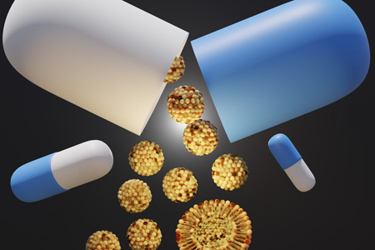
Drug discovery scientists have become remarkable at identifying potent, selective molecules that succeed as therapeutics. Yet a stubborn subset still fails, not because the biology is wrong but because the molecules cannot be delivered effectively and fail to achieve therapeutic exposure. The Biopharmaceutics Classification System (BCS) was created precisely to help categorize molecules and connect the dots. The BCS links oral absorption to two dominant formulation-sensitive levers: solubility and intestinal permeability.¹
The framework is coded in modern regulatory science, including the M9 BCS-based biowaiver guidance issued under the International Council for Harmonization (ICH), published by the FDA. It defines BCS Class IV molecules as drug substances with low solubility and low permeability, a combination that stacks the deck against reliable oral exposure.2
These “left-behind” molecules are not just academic curiosities. A published analysis suggests ~5% of marketed oral drugs fall into BCS Class IV, despite the unfavorable development profile.3
The Hidden Bottleneck In Drug Development
Modern hit-to-lead workflows are often biased toward potency, which can correlate with physicochemical features that challenge developability. These include high lipophilicity, high crystal lattice energy, and combinations of hydrogen-bonding capacity and molecular size that erode permeability. Increases in hydrogen-bond donors/acceptors, molecular weight, and lipophilicity are associated with poor absorption or permeation.4
What makes Class IV molecules uniquely challenging is that its rarely only a dissolution problem. Low permeability can arise from intrinsic membrane crossing limitations (polarity/ionization), regional and time-dependent intestinal physiology, and, for a subset of compounds, efflux transport and pre-systemic loss that magnify variability in exposure.3
Historically, development teams have defaulted to the route of administration that patients prefer: oral dosing. Roughly 60% of established small molecule drugs are delivered orally.5 BCS Class IV molecules, however, often show resistance in this form; despite these challenges, they are still frequently pursued in oral formulations for their convenience and manufacturability.
Why BCS Class IV Drugs Have Historically Faced High Development Failure
Pouton’s analysis of poorly soluble drugs highlights a downstream consequence that remains underappreciated in project reviews. Poor formulation in early studies complicates later development decisions in regard to safety and efficacy. In terms of safety, suboptimal formulation can result in artificially low exposure, underestimating drug toxicity. Alternatively, poor formulations in efficacy studies can inflate predicted human dose, altering downstream dosing decisions.6
In some cases, an increase in apparent solubility may coincide with a decrease in the permeation-driven free fraction. Drug precipitation upon dilution can erase the solubility advantages altogether. The lipid formulation literature emphasizes a benefit of keeping drugs in solution, which is lost if precipitation occurs. These findings suggest that in vivo transformations can be more important than the initial dispersion properties.6
Regulatory science reinforces the practical implication: unlike BCS Class I (and, under harmonized practice, certain Class III cases), Class IV is not positioned for BCS-based biowaivers because neither solubility nor permeability is predictable enough from dissolution alone. ICH M9 explicitly frames BCS-based biowaivers as applicable to high-solubility Class I and Class III drug substances, not Class IV.2
Approximately 40% of approved drugs and 90% of pipeline candidates suffer from poor solubility. BSC Class IV molecules combine solubility risk with permeability risk, meaning teams must decide early on how to strategically navigate alterations to the molecule, route of administration, or formulation.7 BSC Class IV molecules are not merely a “formulation headache,” but instead pose a strategic project risk.
Across large real-world lists of widely used drugs, BCS Class IV molecules are consistently a minority. In an in silico classification of top-selling oral drugs across multiple countries, it was reported that 5.46%–14% of drugs were Class IV.8 Oral immediate-release products make up more than half of the top-selling drug product lists examined, and permeability classification frequently leans on reference compounds because direct human permeability data are limited.9
Current Formulation Strategies And How Nanoformulation Overcomes The Challenges
Current formulation strategies for BCS Class IV drugs usually work best when only one barrier dominates. Traditional options include particle size reduction or amorphous solid dispersions, both of which have helped many poorly soluble drugs reach the market. Amorphous solid dispersions (ASD) also show strong industrial feasibility, with 48 FDA-approved ASD products reported between 2012 and 2023.6
However, BCS Class IV compounds need more than solubility improvement alone. When permeability is the true bottleneck, developers often turn to prodrugs or permeation enhancers, which bring trade-offs in safety, tolerability, and regulatory acceptance.10
Oral nanoparticles are becoming a more credible option for BCS Class IV drugs because they can do more than improve solubility alone. Studies have shown that well-designed particles may enhance intestinal uptake, protect drug cargo during GI transit, prolong contact with the absorptive surface,11 and, in some cases, exploit M-cell-mediated transcytosis or lymphatic routing to improve systemic exposure.12 Their performance is highly design-dependent. Particle size,13 surface charge,13 hydrophobicity,14 and ligand decoration15 can all contribute to whether the nanoparticles penetrate mucus, undergo cellular uptake, or are cleared before absorption occurs. Together, these make oral nanocarriers less of a one-size-fits-all platform and more of a tunable delivery strategy for compounds limited by both solubility and permeability.16, 17
A nanoparticle delivery success for a BSC Class IV drugs is showcased by furosemide, commonly known as Lasix. Nanoformulations improve furosemide uptake by increasing apparent solubility, accelerating dissolution, and improving mucosal interaction in the upper gastrointestinal tract, where this drug shows more favorable absorption. Chitosan/alginate mucopenetrating nanoparticles were reported to enhance furosemide release, permeability, and oral bioavailability, while newer nanosuspension work showed marked gains in solubility and higher permeability for selected nanocrystal systems.18, 19
Another nanoformulation advancement is the ocular delivery of acetazolamide for treatment of glaucoma. Interestingly, the literature shows a stronger capacity for nanoformulations to improve solubility and membrane permeation across ocular barriers than intestinal permeability after oral dosing. Polymeric nanoparticles and nanocrystals can increase acetazolamide permeation and pharmacodynamic performance when delivered topically to the eye. This example showcases the broader principle: nanosizing can overcome this drug’s poor aqueous solubility and barrier transport limitations.20
Hydrochlorothiazide, a thiazide diuretic, is another example where nanoformulation has been used to address both low solubility and low permeability. Recent solid lipid nanoparticle work explicitly reported enhanced solubility and intestinal permeability. Earlier studies using cocrystal-based and nanohybrid systems also showed improved dissolution and diffusion or permeability behavior, which is exactly the kind of dual benefit BCS Class IV programs need. 21, 22, 23
Similarly, ritonavir, an antiretroviral medication and highly lipophilic molecule, showed improved bioavailability when delivered via oral solid lipid nanoparticle; reflecting how lipid-based nanocarriers can reduce precipitation risk and support better intestinal exposure for ritonavir.24
There has also been successful delivery of oral chemotherapeutic medications using nanoformulations. Oral nanoparticle delivery of paclitaxel not only improved solubility but also actively addressed intestinal transport barrier challenges. The data showed improved permeability and pharmacokinetics of the drug. Recently, a folate-engineered zein nanoparticle showed greater accumulation and penetration of paclitaxel in intestinal organoid models, paired with improved oral bioavailability in vivo.25, 26, 27
A final example, showcasing the breadth of BSC Class IV therapeutics that can be reformulated and delivered via nanoparticles, is amphotericin B, a broad-spectrum antifungal. Nanoparticle delivery of amphotericin B protects the drug in the GI environment, improving stability, enhancing epithelial uptake, and increasing systemic exposure after oral administration. Chitosan nanoparticles, liquid crystalline nanoparticles, and other oral amphotericin B nanoparticle systems have all been reported to improve permeability or oral bioavailability, making amphotericin B a serious oral delivery candidate despite its very poor conventional oral absorption.28, 29, 30

Future Trends In Drug Delivery
BCS Class IV development is becoming more model-driven. Because many formulations depend on dynamic gastrointestinal behavior, future success will rely increasingly on biorelevant in vitro methods and mechanistic tools, such as physiologically based pharmacokinetic modeling and in vitro–in vivo correlation style frameworks. These approaches are becoming essential for reducing variability, understanding absorption mechanisms, and reducing risk in formulation earlier in development 31.
Conclusion
Promising drug candidates categorized as BCS Class IV tend to die during formulation stages due to low solubility and permeability. According to industrial records, market distributions, generic development patterns, and regulatory biowaiver boundaries, Class IV compounds are systematically disadvantaged but not systematically unimportant.2 Nanoformulation can change the odds for some BSC Class IV molecules when deployed with a manufacturing-feasible strategy, combined with prodrug logic and carefully justified barrier modulation. As the field of nanoformulation grows, an advantage will lie in revisiting delivery of these molecules that would otherwise be left behind.6
References:
- Amidon, GL.; Lennernäs, H.; Shah, VP.; Crison, JR.; (1995). "A Theoretical Basis for a Biopharmaceutic Drug Classification: The Correlation of in Vitro Drug Product Dissolution and in Vivo Bioavailability." Pharmaceutical Research 12(3): 413-420. https://hdl.handle.net/2027.42/41443
- International Council for Harmonisation of Technical Requirements for Pharmaceuticals for Human Use (2019). Biopharmaceutics Classification System-Based Biowaivers. https://database.ich.org/sites/default/files/M9_Guideline_Step4_2019_1116.pdf
- Markovic, M., Zur, M., Ragatsky, I., Cvijić, S., & Dahan, A. (2020). BCS Class IV Oral Drugs and Absorption Windows: Regional-Dependent Intestinal Permeability of Furosemide. Pharmaceutics, 12(12), 1175. https://doi.org/10.3390/pharmaceutics12121175
- Lipinski, C. A., Lombardo, F., Dominy, B. W., & Feeney, P. J. (2001). Experimental and computational approaches to estimate solubility and permeability in drug discovery and development settings. Advanced drug delivery reviews, 46(1-3), 3–26. https://doi.org/10.1016/s0169-409x(00)00129-0
- Alqahtani MS, Kazi M, Alsenaidy MA and Ahmad MZ (2021). Advances in Oral Drug Delivery. Front. Pharmacol. 12:618411. https://www.frontiersin.org/journals/pharmacology/articles/10.3389/fphar.2021.618411/full#cite
- Pouton C. W. (2006). Formulation of poorly water-soluble drugs for oral administration: physicochemical and physiological issues and the lipid formulation classification system. European journal of pharmaceutical sciences : official journal of the European Federation for Pharmaceutical Sciences, 29(3-4), 278–287.https://doi.org/10.1016/j.ejps.2006.04.016
- Kalepu, S., & Nekkanti, V. (2015). Insoluble drug delivery strategies: review of recent advances and business prospects. Acta pharmaceutica Sinica. B, 5(5), 442–453. https://doi.org/10.1016/j.apsb.2015.07.003
- Arik D, Omri W, Young HK, Chandrasekharan R, Gordon M.C, Toshihide T, Marival B, and Gordon LA, (2013). Purely in Silico BCS Classification: Science Based Quality Standards for the World’s Drugs. Molecular Pharmaceutics, 10(11), 4378-4390. https://pubs.acs.org/doi/10.1021/mp400485k
- Toshihide T, Chandrasekharan R, Marival B, Shinji Y, Lawrence XY, and Gordon LA, (2006). A Provisional Biopharmaceutical Classification of the Top 200 Oral Drug Products in the United States, Great Britain, Spain, and Japan. Molecular Pharmaceutics 2006 3 (6), 631-643. https://pubs.acs.org/doi/10.1021/mp0600182
- McCartney, F., Gleeson, J. P., & Brayden, D. J. (2016). Safety concerns over the use of intestinal permeation enhancers: A mini-review. Tissue Barriers, 4(2). https://doi.org/10.1080/21688370.2016.1176822
- Yuan, H., Chen, C.Y., Chai G.H., Du, Y.Z., Hu, F.Q. (2013). Improved transport and absorption through gastrointestinal tract by PEGylated Solid Lipid Nanoparticles. Molecular Pharmaceutics, 10(5), 1865-1873. https://doi.org/10.1021/mp300649z
- Hussain N. (2016). Regulatory aspects in the pharmaceutical development of nanoparticle drug delivery systems designed to cross the intestinal epithelium and M-cells. International journal of pharmaceutics, 514(1), 15–23. https://doi.org/10.1016/j.ijpharm.2016.07.053
- Bandi, S.P., Kumbhar, Y.S. & Venuganti, V.V.K (2020). Effect of particle size and surface charge of nanoparticles in penetration through intestinal mucus barrier. J Nanopart Res 22, 62. https://doi.org/10.1007/s11051-020-04785-y
- Miao, YB., Xu, T., Gong, Y. et al (2023). Cracking the intestinal lymphatic system window utilizing oral delivery vehicles for precise therapy. J Nanobiotechnol 21, 263. https://doi.org/10.1186/s12951-023-01991-3
- Babiuch, K., Gottschaldt, M., Werz, O., & Schubert, U.S. (2012). Particulate transepithelial drug carriers: barriers and functional polymers. RSC Advances, 2, 10427-10465. https://pubs.rsc.org/en/content/articlelanding/2012/ra/c2ra20726e#!divRelatedContent&articles
- Zheng, Y., Luo, S., Xu, M., He, Q., Xie, J., Wu, J., & Huang, Y. (2024). Transepithelial transport of nanoparticles in oral drug delivery: From the perspective of surface and holistic property modulation. Acta pharmaceutica Sinica. B, 14(9), 3876–3900. https://doi.org/10.1016/j.apsb.2024.06.015
- Wang, Y., Mo, Y., Sun, Y., Li, J., An, Y., Feng, N., & Liu, Y. (2024). Intestinal nanoparticle delivery and cellular response: a review of the bidirectional nanoparticle-cell interplay in mucosa based on physiochemical properties. Journal of nanobiotechnology, 22(1), 669. https://doi.org/10.1186/s12951-024-02930-6
- Radwan, S. E., Sokar, M. S., Abdelmonsif, D. A., & El-Kamel, A. H. (2017). Mucopenetrating nanoparticles for enhancement of oral bioavailability of furosemide: In vitro and in vivo evaluation/sub-acute toxicity study. International journal of pharmaceutics, 526(1-2), 366–379. https://doi.org/10.1016/j.ijpharm.2017.04.072
- Tugba, G., Huriye, D., Sahand, EB., Selma, S. Furosemide nanosuspensions: Preparation, characterization and evaluation of the interplay between solubility and permeability. Journal of Drug Delivery Science and Technology, 112, 2025, 107302. https://doi.org/10.1016/j.jddst.2025.107302
- Quinteros, D. A., Ferreira, L. M., Schaffazick, S. R., Palma, S. D., Allemandi, D. A., & Cruz, L. (2016). Novel Polymeric Nanoparticles Intended for Ophthalmic Administration of Acetazolamide. Journal of pharmaceutical sciences, 105(10), 3183–3190. https://doi.org/10.1016/j.xphs.2016.06.023
- Alisha, M., Uttam, B., Saroj, N., Shailendra, S. (2025). Solid lipid nanoparticles as a drug delivery vehicle for hydrochlorothiazide: Comprehensive formulation, characterization, and in vivo study, Next Materials, 9, 101282. https://doi.org/10.1016/j.nxmate.2025.101282
- Sanphui, P., Devi, V. K., Clara, D., Malviya, N., Ganguly, S., & Desiraju, G. R. (2015). Cocrystals of Hydrochlorothiazide: Solubility and Diffusion/Permeability Enhancements through Drug-Coformer Interactions. Molecular pharmaceutics, 12(5), 1615–1622. https://doi.org/10.1021/acs.molpharmaceut.5b00020
- Maestrelli, F., Cirri, M., García-Villén, F., Borrego-Sánchez, A., Viseras Iborra, C., & Mura, P. (2020). Tablets of “Hydrochlorothiazide in Cyclodextrin in Nanoclay”: A New Nanohybrid System with Enhanced Dissolution Properties. Pharmaceutics, 12(2), 104. https://doi.org/10.3390/pharmaceutics12020104
- Chettupalli, A.K., Bukke, S.P.N., Rahaman, S.A. et al (2025). Ritonavir loaded solid lipid nanoparticles for oral drug delivery and bioavailability enhancement. Discov Appl Sci 7, 58. https://doi.org/10.1007/s42452-024-06322-1
- Somaida, A., Abdelsalam, A. M., Khedr, S. M., Mohamed, A. M., Tariq, I., Almohsen, N., Ashraf, O., Osman, S. K., Al-Sawahli, M. M., Engelhardt, K., & Bakowsky, U. (2025). Improved oral bioavailability of paclitaxel through folate-engineered zein nanoparticles: Evaluation in intestinal organoid and in vivo models. International journal of biological macromolecules, 318(Pt 4), 145117. https://doi.org/10.1016/j.ijbiomac.2025.145117
- Ahmed, S., Ahmed M.A., Shaimaa M. K., Ahmed M., Imran T. et al (2025). Improved oral bioavailability of paclitaxel through folate-engineered zein nanoparticles: Evaluation in intestinal organoid and in vivo models. International Journal of Biological Macromolecules, 318(4), 145117. https://doi.org/10.1016/j.ijbiomac.2025.145117.
- Zabaleta, V., Ponchel, G., Salman, H., Agüeros, M., Vauthier, C., & Irache, J. M. (2012). Oral administration of paclitaxel with pegylated poly(anhydride) nanoparticles: permeability and pharmacokinetic study. European journal of pharmaceutics and biopharmaceutics: official journal of Arbeitsgemeinschaft fur Pharmazeutische Verfahrenstechnik e.V, 81(3), 514–523. https://doi.org/10.1016/j.ejpb.2012.04.001
- Jain, S., Yadav, P., Swami, R., Swarnakar, N. K., Kushwah, V., & Katiyar, S. S. (2018). Lyotropic Liquid Crystalline Nanoparticles of Amphotericin B: Implication of Phytantriol and Glyceryl Monooleate on Bioavailability Enhancement. AAPS PharmSciTech, 19(4), 1699–1711. https://doi.org/10.1208/s12249-018-0986-3
- Kaur, K., Kumar, P., & Kush, P. (2020). Amphotericin B loaded ethyl cellulose nanoparticles with magnified oral bioavailability for safe and effective treatment of fungal infection. Biomedicine & pharmacotherapy = Biomedecine & pharmacotherapie, 128, 110297. https://doi.org/10.1016/j.biopha.2020.110297
- Jain, S., Reddy, C. S. K., Swami, R., & Kushwah, V. (2018). Amphotericin B Loaded Chitosan Nanoparticles: Implication of Bile Salt Stabilization on Gastrointestinal Stability, Permeability and Oral Bioavailability. AAPS PharmSciTech, 19(7), 3152–3164. https://doi.org/10.1208/s12249-018-1153-6
- Huang, Y., Yu, Q., Chen, Z., Wu, W., Zhu, Q., & Lu, Y. (2021). In vitro and in vivo correlation for lipid-based formulations: Current status and future perspectives. Acta pharmaceutica Sinica. B, 11(8), 2469–2487. https://doi.org/10.1016/j.apsb.2021.03.025
About The Author:
 Faisal Mohammad Shamim Khan is a pharmaceutical scientist and pharmacovigilance specialist whose work spans drug safety, nanoformulation, and translational research. He brings over seven years of global pharmacovigilance experience, alongside hands-on expertise in lipid nanoparticles, albumin-based systems, and polymeric nanocarriers. His background integrates regulatory precision with formulation science and cell-based research. Currently contributing to neurodegeneration studies at the University of South Florida Health Byrd Alzheimer’s Institute, he focuses on generating high-quality, decision-ready data to support therapeutic innovation and ensure safe, effective advancement of treatments from laboratory development to clinical impact.