
Designing For Precision: How Delivery Is Shaping Cancer Treatment
By Avrum Spira, MD, MSC, Global Head of Interventional Oncology, Johnson & Johnson
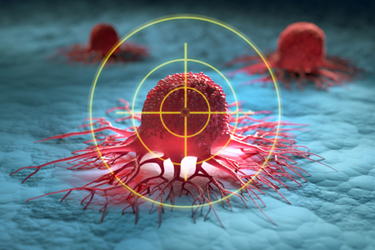
Over the past several decades, oncology has become increasingly precise. Biomarkers and genomic profiling help us identify who is most likely to benefit from treatment. Molecular science helps us determine what biology or therapeutic mechanism to engage.
For much of the precision oncology era, who and what have been the two defining questions. The next frontier is a third: Where must the therapy act?
Even a well-matched therapy may be limited if insufficient active treatment reaches the disease, if distribution within the tumor is uneven or if therapeutically relevant exposure occurs in healthy tissue. Precision oncology must therefore extend beyond patient selection and molecular mechanism to include the spatial pattern of therapeutic activity.
I think of this as precision delivery: designing concentration, distribution, activation, and duration so that therapeutic activity is increased where it is needed and limited where it is not.
The Innovation Opportunity For Delivery Science
Developing an effective therapeutic mechanism is necessary but not sufficient. Clinical effect also depends on exposure: how much active therapy reaches the disease, how uniformly it is distributed, how long it remains active, and how much reaches normal tissue.
My understanding of the importance of “where” was shaped in part by caring for patients with locally advanced head and neck cancer in the ICU. When local progression threatened the airway, the immediate clinical problem was not only what the tumor was biologically, but also where it was anatomically. Disease at that critical site could determine whether a patient could breathe. Those experiences made it impossible for me to view location as an afterthought.
As the global cancer burden continues to rise, this challenge will only become more important. By 2050, the annual number of new cancer cases worldwide is forecast to reach 30.5 million, a 61% increase over 2024 levels, driven primarily by population growth and aging.¹
Delivery is emerging as a key determinant of therapeutic success. Advances in imaging, procedural medicine, biomaterials, and delivery science are making direct-to-tumor treatments increasingly achievable. These innovations let us to think beyond molecular precision alone toward what I believe is the next evolution of the field.
The opportunity is to take precision medicine a step further: beyond matching the right therapy to the right patient and target, we can also optimize where and for how long that therapy acts. Delivery science has always sought to influence where therapies act; what is changing is our ability to engineer, visualize, and optimize therapeutic activity at increasingly precise biological and anatomical scales.
Precision delivery is not synonymous with local injection. In many ways, the industry has already been moving in this direction. Many modern therapeutic modalities are designed to concentrate therapeutic activity at sites of disease while limiting exposure to healthy tissue. Antibody-drug conjugates use antigen recognition, linker chemistry, and payload release to bias cytotoxic activity toward target-expressing cells. Radioligand therapies use molecular binding and biodistribution to concentrate absorbed radiation dose in target-expressing lesions. CD3-directed T-cell engagers create proximity between T cells and antigen-bearing cells, enabling localized immune-mediated killing.
These modalities are mechanistically distinct, but they share a common objective: concentrating activity on disease while sparing healthy tissue.
Their selectivity, however, is relative rather than absolute. Targets may also be expressed in normal tissue, expression may vary within and among tumors, penetration and biodistribution may be incomplete and payload release or immune activation may extend beyond the intended site. Molecular targeting can widen the therapeutic window, but it does not eliminate the fundamental challenge of balancing efficacy and toxicity.
This is why controlling where treatment acts remains such a critical frontier.
The Emergence Of Interventional Oncology
Interventional oncology adds a complementary form of precision: direct anatomic control. If molecular targeting asks biology to distinguish tumor from healthy tissue, image-guided procedural delivery enables clinicians to select an anatomic target and place therapy within or adjacent to the site of disease.
The field has long applied image guidance and procedural precision to localized cancer treatment through approaches such as ablation and other energy-based therapies. These modalities remain an important part of interventional oncology and demonstrate the value of delivering treatment precisely to sites of disease.
Drug-based interventional oncology approaches build on this foundation, extending the principles of anatomic precision to the delivery and activation of therapeutic agents. This does not make local and systemic treatment competitors. Systemic therapies remain essential for disseminated and microscopic disease. Direct local delivery may be particularly valuable when local control is clinically consequential, when systemic exposure constrains dose, or when a therapeutic cannot readily be administered systemically.
The opportunity is to design both approaches together, using systemic treatment for reach and local treatment for concentration, control, or activation. In some settings, local treatment may also help remodel the tumor microenvironment or activate local immune responses in ways that may complement and potentially enhance the activity of systemically administered immunotherapies.
This convergence of therapeutics, imaging, devices, and procedural medicine is helping redefine what is possible in cancer treatment. At Johnson & Johnson, it has informed an approach that brings these capabilities together as parts of an integrated system. The goal is not simply to manufacture a drug and subsequently determine how to administer it but to develop the agent, formulation, imaging strategy, and procedure as interconnected components of treatment design.
This is not about replacing the foundational pillars of cancer care. Surgery, radiation, systemic therapies, and established image-guided approaches such as ablation and embolization remain essential. Drug-based interventional oncology approaches offer the potential to complement and enhance these modalities, broadening local intervention beyond energy delivery to the precise delivery of therapeutics agents.

Why Radiation Illustrates The Opportunity
Radiation oncology provides a powerful precedent for precision delivery. Advances in imaging, planning and beam delivery have progressively improved the ability to conform dose to tumors and reduce exposure to adjacent organs. In many settings, these gains have come without changing the fundamental cytotoxic mechanism; they have come from improving where and how dose is deposited.
Yet improved targeting does not eliminate biological constraints. Normal tissue tolerance, tumor motion, setup uncertainty, dose heterogeneity and intrinsic radiosensitivity continue to shape how much dose can be delivered safely.
That creates a second opportunity: not simply to deliver more radiation but to increase the effect of a given radiation dose within the tumor—for example, by increasing tumor radiosensitivity, enhancing tumor-killing effects, or modifying the local microenvironment.
Delivery then becomes more than a means of administering treatment; it becomes an enabler of therapeutic innovation.
Intratumoral Treatments And The Promise Of Precision Delivery
Perhaps the clearest example of precision delivery in practice is intratumoral treatment. By treating the tumor itself as the point of intervention rather than simply the destination for a systemically administered therapy, intratumoral approaches offer an opportunity to concentrate therapeutic activity directly at the target.
Direct intratumoral delivery can increase local drug exposure and may reduce systemic exposure. Whether that altered exposure translates into greater efficacy, improved tolerability or both must be demonstrated for each therapeutic, tumor type, and procedure.
Intratumoral administration also makes several variables especially visible and consequential: which lesion is selected, how it is accessed, where the needle or catheter is positioned, how therapy distributes through heterogeneous tissue, how long it is retained, whether leakage occurs, and whether the procedure can be reproduced across operators and sites.
That is why intratumoral treatment should be understood not as a single product class — but as an integrated platform. Its full value depends on co-designing the agent, formulation, delivery device, imaging strategy, procedure, and method for confirming distribution.
The platform can support different therapeutic objectives. Some agents are intended primarily to increase local tumor control. Others are designed to activate immune responses within the tumor and may complement systemic immunotherapy. Additional approaches may enable direct-to-tumor drug delivery, gene-based therapies, or new treatment modalities that would be difficult to deploy effectively through systemic administration alone.
The Next Chapter In Precision Medicine: Delivery As Innovation
The future of precision oncology will require us to integrate three questions: Who is most likely to benefit? What biology or therapeutic mechanism should we engage? And where must therapeutic activity occur to achieve the best balance of benefit and risk?
That final question is becoming increasingly important as therapies grow more sophisticated, placing greater emphasis on how we deliver therapeutic activity where it needs to occur. Delivery itself is emerging as a source of innovation.
“Where” operates at several scales: the organ, the lesion, the tumor microenvironment and the individual cell. It also has a temporal dimension — how quickly treatment becomes active and how long meaningful exposure is sustained.
Molecular targeting and interventional oncology offer complementary answers. One uses biological recognition to bias therapy toward cancer. The other uses imaging and procedural control to place therapy at a selected anatomic site. The most consequential advances may come when those strategies are designed together rather than developed on parallel tracks.
Precision delivery is therefore more than moving a drug from one place to another. It means designing concentration, distribution, activation and duration as properties of the therapy itself. The next chapter of precision oncology will begin when location becomes a design variable — not an afterthought. Completing the “who, what and where” framework could help oncology more fully translate scientific innovation into meaningful benefit for patients.
Reference
- GBD 2023 Cancer Collaborators. The global, regional, and national burden of cancer, 1990–2023, with forecasts to 2050: a systematic analysis for the Global Burden of Disease Study 2023. Lancet. 2025;406(10512):1565–1586. doi:10.1016/S0140-6736(25)01635-6.
About The Author:
 Avrum “Avi” Spira, M.D., M.S.C., is the Global Head of Interventional Oncology (INTO) at Johnson & Johnson. A practicing pulmonary and critical care physician for more than 20 years, Spira leads a team integrating J&J’s medtech and innovative medicine expertise to develop novel intratumoral drug therapies delivered directly to tumors via minimally invasive procedures. INTO’s primary focus is lung cancer, while also advancing programs across other solid tumors.
Spira is also an attending physician at Boston University–Boston Medical Center and Professor of Medicine, Bioinformatics and Pathology at Boston University. He received his M.D. from McGill University and master’s degree in bioinformatics from Boston University.