
Electronic Drug Delivery Devices Market: Advancing Smart, Connected Healthcare
By K. Sri Lakshmi, Global Market Insights
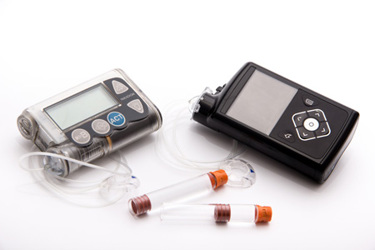
The healthcare industry is experiencing significant growth and development in the use of electronic devices. According to the latest report published by Global Market Insights (GMI), the global electronic drug delivery devices market is witnessing robust growth driven by the increasing prevalence of chronic diseases, rising demand for self-administered therapies, and the adoption of smart healthcare technologies.
In 2024, the global market valuation was estimated at $64.7 billion, with long-term expansion projecting growth to $146 billion by 2034. This trajectory corresponds to a robust compound annual growth rate (CAGR) of 8.5% throughout the forecast period.
The market is benefiting from advancements in digital health, connectivity, and monitoring systems that enhance treatment adherence and patient convenience. Healthcare providers and patients alike are embracing electronic drug devices for the precise dosing, real-time monitoring, and improved safety compared to traditional delivery methods.
The Drive Of Innovation
Key industry players are focusing on innovation, technological integration, and partnerships to expand their footprint globally, while governments and healthcare organizations are promoting digital health solutions that improve treatment outcomes and reduce healthcare costs. Innovation primarily centers on developing next-generation products that enhance accuracy, improve user convenience, and support real-time connectivity. Companies are building devices equipped with smart sensors, wireless communication, automated dosing algorithms, mobile-enabled tracking, and cloud-based data platforms. These developments aim to increase treatment adherence, reduce dosage errors, and provide clinicians with continuous insight into patient progress.
Larger medical technology manufacturers acquire specialized firms that focus on smart delivery components, digital interfaces, wearable technologies, or sensor-enabled systems. These acquisitions allow companies to incorporate novel features such as mobile connectivity, cloud-based analytics, and AI-supported adherence tools into their device pipelines. For instance, drug delivery device manufacturer West Pharmaceutical Services acquired Ypsomed, a digital health software provider, to enhance real-time monitoring, data integration, and cloud connectivity across injectable platforms. Moreover, Medtronic entered into an acquisition with Tandem Diabetes Care to consolidate digital insulin delivery, glucose monitoring, and app-based analytics under a single ecosystem for improved patient adherence.
Major Trends Bolstering Industry Growth
Major trends in the electronic drug devices market include the growing integration of digital health platforms, the development of wireless and connected devices, and the expansion of smart drug delivery systems.
Rising investments in R&D and collaborations with tech companies are fostering innovation in device miniaturization, user-friendly interfaces, and secure data transfer. Regulatory agencies are also supporting the adoption of electronic drug devices by creating frameworks for digital therapeutics and connected medical devices, ensuring safety and efficacy. The U.S. FDA supports the integration of digital features through several well-defined regulatory pathways. The Digital Health Precertification (Pre-Cert) Program is a framework that evaluates software developers rather than each software update, allowing faster clearance of connected medical devices. The Breakthrough Devices Program accelerates the review process for electronic drug delivery or monitoring systems that can improve patient outcomes.
Some of the eminent companies operating in the electronic drug delivery devices industry include:
- Abbott Laboratories
- AstraZeneca
- Becton, Dickinson and Company
- Eli Lilly and Company
- Gerresheimer
- Haselmeier
- Insulet
- Medtronic
- Nemera
- Novo Nordisk
- Pfizer
- Sanofi
- SHL Group
- Tandem Diabetes Care
- West Pharmaceutical Services
- Ypsomed
What Types Of Electronic Drug Devices Are Seeing Market Growth?
The pumps segment remains a central pillar of the electronic drug delivery devices market, driven by the need for precise, programmable, and continuous medication administration across a wide range of therapeutic areas. These devices offer controlled dosing capabilities that are especially valuable for chronic conditions requiring steady drug levels, such as diabetes, pain management, and certain neurological disorders. Electronic pumps enhance patient convenience by automating delivery schedules, reducing manual dosage errors, and allowing users to maintain daily routines with minimal disruption.
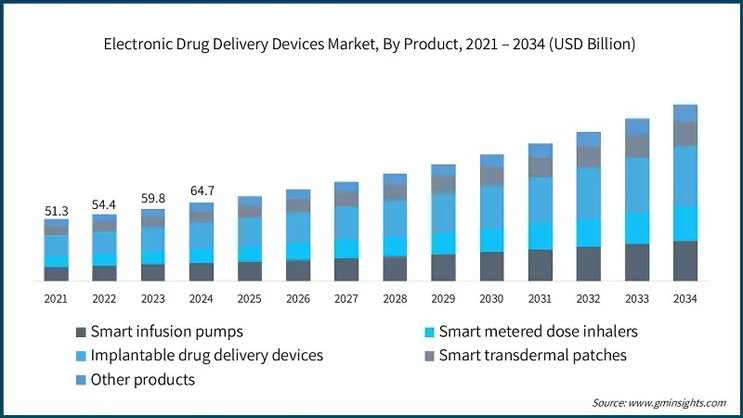
The implantable drug delivery devices segment held a significant share of 33.6% in 2024, as manufacturers and healthcare providers prioritize long-term controlled therapeutic administration for chronic and high-burden diseases. The demand for implantable drug delivery devices is accelerating as these systems offer targeted drug release, improved pharmacokinetics, and reduced dosing frequency, which directly enhances treatment adherence and clinical outcomes. Growth in this segment is heavily influenced by rising cases of oncology, cardiovascular disorders, and chronic pain, where sustained delivery is clinically essential. Companies are investing in biocompatible materials, micro-reservoir technologies, and programmable release mechanisms to differentiate product performance and extend competitive advantage.
Electronic Devices And Disease States
The diabetes segment held the largest share of 33.9% in 2024, propelled by the rising global prevalence of type 1 and type 2 diabetes and the growing need for precise, consistent, and user-friendly treatment solutions. Patients managing diabetes depend heavily on accurate and timely delivery of medication, making electronic devices such as smart insulin pumps, connected pens, and automated dosing systems essential tools in daily care. These technologies reduce the risk of hypoglycemia, support tighter glucose control, and enhance overall treatment adherence through features like real-time monitoring, mobile app connectivity, and personalized dosing algorithms.
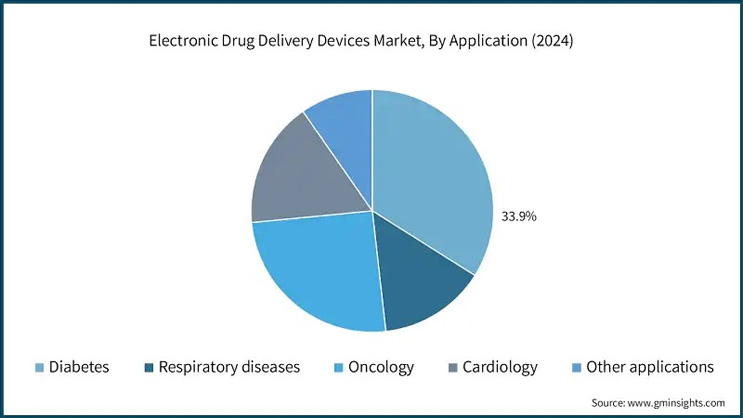
The cardiology segment is experiencing strong expansion as demand accelerates for advanced diagnostic and therapeutic devices designed to support earlier detection, continuous monitoring, and targeted drug administration for cardiovascular disorders. Market performance is shaped by the rising global incidence of hypertension, arrhythmias, coronary artery disease, and heart failure, increasing the need for precise and technology-enabled care solutions. The World Health Organization estimated that individuals worldwide were living with hypertension in 2024, with 1 in 5 able to under control the disease through medication or by addressing modifiable health risks. Manufacturers are prioritizing miniaturized, sensor-integrated platforms that enable real-time data capture, remote monitoring, and optimized medication delivery, which enhances clinical decision-making and reduces hospitalization rates.
A Look to The Future
The electronic drug delivery devices market is evolving rapidly, blending medical technology and digital solutions to transform the way medications are administered, monitored, and optimized for patients worldwide. The market benefits from the growing demand for connected medical devices that support accurate dosing, real-time monitoring, and personalized therapy management across both acute and chronic conditions. Advancements in sensor technology, miniaturized electronics, and wireless connectivity are allowing manufacturers to develop smarter devices that integrate seamlessly with mobile applications and digital health platforms. Healthcare providers and patients are accepting electronic delivery solutions due to their ability to improve treatment compliance, reduce medication errors, and enable remote care management. At the same time, rising healthcare expenditure, an aging population, and the shift toward home-based care are reinforcing long-term growth prospects.
About The Author:
Sri Lakshmi is a content writer at Global Market Insights. She specializes in analyzing industry trends, competitive landscapes, and emerging technologies, translating complex market information into actionable insights for business leaders and decision makers. Lakshmi has contributed extensively to sectors including healthcare, advanced materials, energy, and digital technologies.