
Key Considerations For Selecting Fill/Finish Manufacturing Technologies
By Eleftherios Hristofas, Sr. Manager, R&D, BS Chemical Engineering; and Eric Kurtz, Manager Technical Product Development, BS Chemical Engineering, MBA
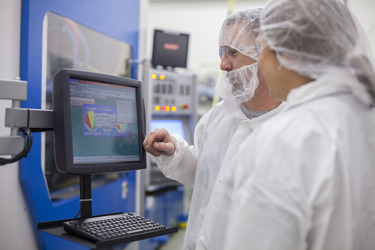
The growth of biologics, vaccines, and small-batch therapies is driving demand for flexible, advanced aseptic fill/finish technologies. Drug manufacturers and CDMOs must balance factors such as facility space, contamination control, scalability, throughput, technology transfer, and support for multiple packaging formats. Flexible fill/finish systems enable efficient production across clinical and commercial scales while accommodating vials, syringes, and cartridges.
Close collaboration between packaging suppliers and fill/finish equipment manufacturers helps ensure new packaging systems are compatible with manufacturing processes, reducing implementation risk and accelerating technology transfer. Early planning also helps organizations avoid costly investments in equipment that may not meet future manufacturing needs.
Key considerations when designing a fill/finish line include containment strategy (RABS vs. isolator), line speed, component handling, filling and dosing technologies, particulate control, inspection, automation, and data management. This white paper provides an overview of these critical decision points for specifying an aseptic drug filling line but is not intended to replace site-specific engineering, risk assessments, or regulatory requirements.
Get unlimited access to:




Enter your credentials below to log in. Not yet a member of Drug Delivery Leader? Subscribe today.