
Monoclonal Vs Polyclonal Antibody Production- Explained Step By Step
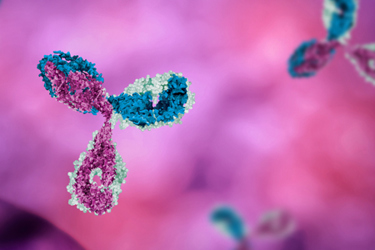
The evolution of antibody therapeutics has transformed complex disease management, placing a premium on selecting the ideal molecular vehicle. Deciding between monoclonal and polyclonal approaches requires weighing targeting precision against production timelines and breadth of coverage.
Monoclonal options offer unmatched uniformity by binding to a single, specific epitope on a target antigen. This structural consistency translates to reliable potency and predictable safety profiles, making them highly effective for targeted clinical indications. The intricate multi-step manufacturing workflow—spanning initial immunization, hybridoma cell fusion, strict selective growth screening, and extensive cloning—demands a significant investment of time and resources. However, the result is a sustainable, potentially infinite supply of highly specialized proteins.
Conversely, polyclonal production utilizes the natural, multi-clonal response of an immunized host. This method yields a diverse pool of immunoglobulins that recognize multiple distinct epitopes, providing a more robust signal and greater tolerance to minor antigen changes. Understanding the structural advantages and production trade-offs of each format is crucial for accelerating therapeutic pipelines. Read the complete overview to explore detailed production methodologies and determine the most effective pathway for your biologic program.
Get unlimited access to:




Enter your credentials below to log in. Not yet a member of Drug Delivery Leader? Subscribe today.