
PLGA: A Workhorse Polymer Behind Modern Depot Long-Acting Injectables
By Sagar Dhoble, Ph.D., Tech

Long-acting injectables (LAIs) have quietly become one of the most consequential drug delivery categories in modern pharmaceutical development. LAIs are a solution for patients who need long-term medications that falter when a dose is missed or deviate from the prescription. In the circle of different LAI formulations, a single biodegradable polymer platform, Poly(lactide-co-glycolide), or PLGA, sits at the center and has ruled the commercial depot products over the last three decades, continuing to anchor new pipeline activity. This article surveys the LAI formulations, including PLGA products, currently marketed products, and where the field is heading in 2026.
Long-Acting Injectables
LAIs are parenteral formulations engineered to release a drug slowly over an extended period, anywhere from a week to several months, and in some experimental systems up to a year, following a single administration. These LAI formulations form a depot at the site of injection when administered intramuscularly or subcutaneously, gradually releasing the drug into systemic circulation. The goal is to alleviate the administration needs for patients who need to take a daily oral dose or have multiple doses in a single day.1
The primary clinical rationale for LAIs is the maintenance of necessary drug levels in chronic disease conditions requiring lifelong therapy, and where adherence to oral therapy is difficult or minimal. Clinically, LAIs improve therapy adherence, especially in HIV and psychiatric conditions like schizophrenia, by lowering the dosing frequency and the chance of reduced efficacy that occurs with a missed dose. According to the published research, LAIs have been shown to lower hospital readmission rates by 29% compared to oral therapies and by 58% in patients with multiple admissions.2
LAI platforms have also been explored for other disease conditions, like chronic opioid drug abuse disorders, contraception and hormonal disorders, inflammation, and pain management.3 From a formulation perspective, LAIs fall into three broad technology buckets: polymer-based formulations (microspheres and in situ-forming implants/gels), oil-based depot delivery systems, and aqueous drug micro/nanosuspensions. Among all systems, the polymer-based systems are dominating the LAIs market, with PLGA being the most popular material used for these systems.2
PLGA: The Polymer Of Choice
PLGA is a synthetic polyester-based biodegradable copolymer composed of two monomeric units: lactic acid (LA) and glycolic acid (GA). Different manufacturers supply PLGA in various grades around the globe, primarily differing in lactide to glycolide unit ratios (LA:GA ratio), commonly 50:50, 65:35, or 75:25. For decades, PLGA has been proven to have a long safety history, with initial use in sutures and orthopedic implants. It is currently approved by both the FDA and EMA for use in parenteral sustained-release LAIs and implantable device products.4
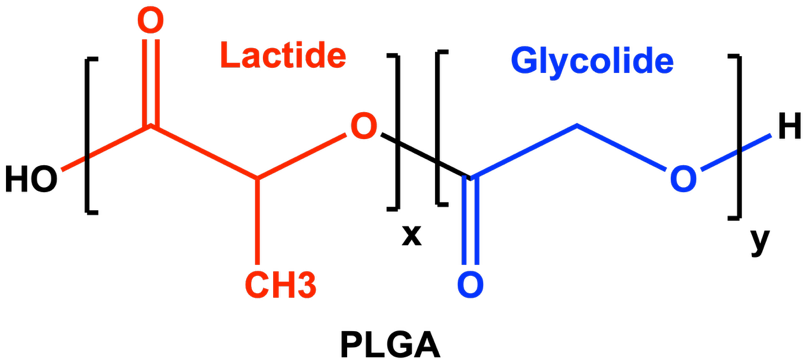
Figure 1. The structure of poly(lactide-co-glycolide).
The main reason PLGA has become the first choice of polymer for injectable depots is its behavior once the formulation is injected into the body. After injection, the polymer matrix undergoes the hydrolytic breakdown of the ester linkage between the LA and GA units. Once in individual units, they are further metabolized by the human body into carbon dioxide and water, leaving no depot material in the body. There is no residual material of the polymer left accumulating at the site of injection, giving it a biodegradable and biocompatible status.5
The Success Of PLGA In LAIs
PLGA has specific physicochemical properties that favor the LAIs’ formulation:
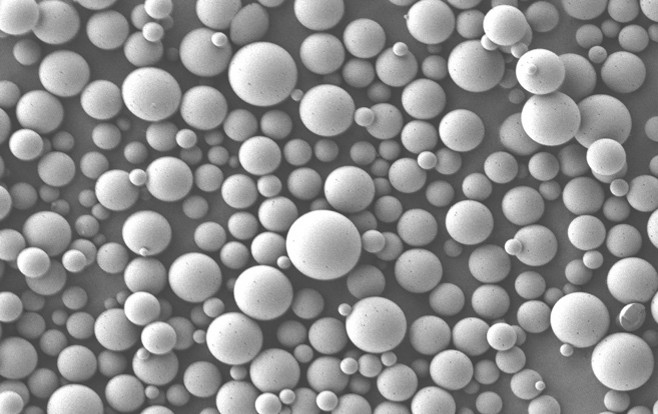
Figure 2. Scanning electron microscope (SEM) image of PLGA microparticles.
- Tunable release kinetics. PLGA’s degradation and release kinetics are dependent on the LA:GA ratio, the polymer’s molecular weight, its end group chemistry (acid vs. ester capped), and its architecture (linear vs. star-shaped). These factors determine the fate of the PLGA matrix in terms of the rate of polymer degradation and the release of drug from the matrix. The drug release kinetics also vary with particle size, porosity, glass transition temperature, and drug–polymer interactions, giving formulators multiple avenues to work with to achieve the target release duration, whether it is two weeks or six months.6
- Two distinct depot architectures. PLGA-based LAIs are typically manufactured as two different formulations. The first is microspheres (tiny polymeric particles in the microns in diameter) that entrap drug and are suspended in the diluent before use. The second is in-situ forming implants/gels (ISFIs/ISFGs), which are injected as a drug polymer solution that turns into a depot after injection.
Microspheres are the most widely explored PLGA-based LAIs, with FDA approval for multiple products in this category since their discovery. These are formulated by using different fabrication technologies like emulsion evaporation, spray drying, microfluidics, and others.
ISFIs are typically composed of PLGA polymer and drug dissolved in an organic solvent such as n-methyl-2-pyrrolidone (NMP), n,n-dimethylacetamide (DMA), dimethyl sulfoxide (DMSO), or triacetin. Upon injection, the depot forms as the organic solvent diffuses out from the site while water moves in, precipitating the polymer, entrapping the drug, and forming an in-situ implant/gel.
Both types of depot architectures share a common release characteristic: initial burst followed by the sustained release of the drug product. These characteristics of release are driven by the rapid surface erosion of PLGA, followed by a slower diffusion- and erosion-controlled phase as the depot's morphology evolves.7,8
- Adaptability across drug classes. PLGA depots aren’t limited to small molecules. Of note, PLGA platforms have also been explored for biologics that typically have short circulating half-lives.7 The FDA has approved multiple products containing PLGA microspheres as a delivery vehicle for both proteins and peptides, along with small molecules, all of which usually require closer attention to stability and safety. As previously mentioned, different microsphere formulations have different release times, anywhere from one week to six months.
PGLA has a proven safety and regulatory record, being formulated in FDA-approved products since 1989. These approvals have established its safety and reliability for both regulators and formulators. The safety and efficacy profile is well established and the years of data provide an enormous information base showcasing process, safety, and overall characterization.9
Although PLGA-based LAIs’ manufacturing and characterization are well established, the process has been notoriously difficult to control at scale. The reproducibility of particle size distribution, internal porosity, residual solvent levels, and drug distribution within the microsphere has been historically challenged by small deviations. These minimal deviations can meaningfully shift the in vivo release kinetics, which undoubtedly has an impact on systemic blood levels of the drug.
PLGA-Based LAI Formulations On The Market
PLGA-based depots have been available since 1989, with leuprolide (Lupron Depot) and goserelin-related products intended for prostate cancer among the first approved. Since then, the range of marketed PLGA microsphere products has expanded across various medical fields, including psychiatry, endocrinology, oncology, orthopedics, and addiction medicine. Some of the most well-known examples include:
- Lupron Depot (leuprolide acetate). Developed for prostate cancer, endometriosis, and precocious puberty, it is available in one-, three-, four-, and six-month depot options.10
- Risperdal Consta (risperidone). This is the first LAI based on Medisorb microsphere technology. This product encapsulates an atypical antipsychotic, originally approved for schizophrenia and, later, bipolar I disorder maintenance treatment. It is dosed every two weeks via intramuscular injection.11,12
- Vivitrol (naltrexone). This once-monthly intramuscular microsphere depot approved for alcohol dependence and prevention of relapse to opioid dependence is one of only two small molecule drugs (alongside Risperdal Consta) loaded into approved PLGA microspheres. The product maintains stable, pharmacologically relevant plasma concentrations of naltrexone for at least 30 days.13
- Sandostatin LAR (octreotide acetate). This is a monthly PLGA microsphere depot for acromegaly and certain neuroendocrine tumors.
- Trelstar (triptorelin) and Signifor LAR (pasireotide). These are peptide-loaded microsphere depots for prostate cancer and acromegaly, respectively.14
- Zilretta (triamcinolone acetonide extended-release). This first extended-release intra-articular corticosteroid for knee osteoarthritis pain was approved in 2017. This product uses 75:25 PLGA microspheres roughly 45 µm in diameter and releases drug over about 12 weeks.4
- UZEDY (risperidone extended-release). This newer subcutaneous entrant uses a related but distinct PLGA-based in-situ-forming depot approach. UZEDY delivers long-acting risperidone for adults with schizophrenia and was the first FDA-approved product built on MedinCell's BEPO technology, marketed by Teva under the licensed name SteadyTeq. BEPO technology uses polyethylene glycol–polyester block copolymers dissolved in an organic solvent such as DMSO, giving it flexibility in release kinetics ranging from days to as long as a year.15,16
Across all LAIs formulations, manufacturing variables are tightly controlled for the optimal delivery stem, ensuring the drug release profile hits the target release window. The particle size in commercial PLGA-based microparticles generally ranges from around 8 µm, in Lupron Depot, to up to roughly 60 µm, in Sandostatin LAR and Vivitrol.

Advances In PLGA-Based LAIs
Two threads dominate the current PLGA LAI landscape: the long-awaited arrival of generic competition and new LAI approvals and filings.
For years, the generic industry has struggled to develop these complex PLGA microsphere LAIs due to the challenging precision manufacturing required to match the reference product’s release profile. Even with product patent protection expiration and great market potential, until recently, there were no generic products for PLA/PLGA depot products. However, in September 2025, Amneal Pharmaceuticals introduced the first generic LAI version of Janssen's Risperdal Consta. It was created as a generic risperidone extended-release injectable suspension available in all four marketed strengths.17 Weeks later, in November 2025, Lupin launched its own risperidone LAI, built on the Nanomi subsidiary's proprietary PrecisionSphere microsphere platform, with 180-day CGT exclusivity.18 Together, these launch events marked an anticipated milestone for LAI’s drug product, which has been reshaping the pricing dynamics of major innovator LAI products.
A similar growing trend is in the development of ISFIs. UZEDY has commercial success, growing its net sales from $117 million in 2024 to $191 million in 2025. In October 2025, the FDA expanded the indication for UZEDY covering maintenance treatment of bipolar I disorder in adults, with dosing frequencies of once monthly or once every two months.15,19 Another ISFI LAI example in the midst of approval is TEV-'749 by Teva and MedinCell. It is a once-monthly subcutaneous olanzapine ISFI, developed on the similar SteadyTeq technology. The company's NDA was accepted for review in early 2026, supported by the Phase 3 SOLARIS trial data showing efficacy and safety consistent with oral olanzapine.18
Regulatory science is progressing with the manufacturing complexities. The researchers and regulators have been working toward an understanding and closing the wide gap between the characterization, testing, and approval decisions of PLGA depot formulations. Several research studies and published literature have highlighted the lack of standardized compendial in vitro release (IVR) methods for PLGA-based LAIs, including both microspheres and in-situ forming implants.20
Historically, there has been an argument about the development of the PLGA LAIs, suggesting research has taken a trial-and-error approach due to limited understanding and challenging correlation of polymer behavior and clinical efficiency. This being said, there is a pressing need for improved analytical characterization of PLGA polymers, which should be coupled with artificial intelligence and quality by design methodologies. This combination could revolutionize the field by enabling a more systematic development process. The FDA has supported this shift by launching a dedicated research program focused on improved tools for the development of generic PLGA products.21,22
A Look Ahead
The global long-acting injectables therapeutics market was estimated at $18.3 billion in 2025 and is projected to reach approximately $20.5 billion in 2026. This growth is expected to be compounded annually at a rate of 12.8% from 2026 to 2033, resulting in a market value of around $47.7 billion by 2033.
LAIs for CNS conditions captured the largest market share in 2025, almost 44.6% of the revenue, followed by the infectious diseases segment, projected to grow at 19.5% CAGR. This is attributed to the expansion of long-acting anti-HIV treatments and prevention regimens. The increasing number of players in the generic PLGA microsphere LAIs space was a step forward, moving past the manufacturing and regulatory barriers. At the same time, next-generation PLGA-based LAIs products like MedinCell's BEPO in-situ forming platform are welcoming novelty and innovations in the formulation field and chemistries. With the introduction of machine learning and artificial intelligence, the PLGA-based LAIs are set to revolutionize the injectable formulations market with more novel and efficient product introductions.
References
- Park K. PLGA-based long-acting injectable (LAI) formulations. Journal of Controlled Release. 2025;382:113758.
- Alidori S, Subramanian R, Holm R. Patient-centric long-acting injectable and implantable platforms─ an industrial perspective. Molecular pharmaceutics. 2024;21(9):4238-4258.
- Chaudhary K, Patel MM, Mehta PJ. Long-acting injectables: current perspectives and future promise. Critical Reviews™ in Therapeutic Drug Carrier Systems. 2019;36(2)
- Lee JW, Park JH, Yu GW, et al. Sustained-release intra-articular drug delivery: PLGA systems in clinical context and evolving strategies. Pharmaceutics. 2025;17(10):1350.
- Martins C, Sousa F, Araújo F, Sarmento B. Functionalizing PLGA and PLGA derivatives for drug delivery and tissue regeneration applications. Advanced healthcare materials. 2018;7(1):1701035.
- Lagreca E, Onesto V, Di Natale C, La Manna S, Netti PA, Vecchione R. Recent advances in the formulation of PLGA microparticles for controlled drug delivery. Progress in biomaterials. 2020;9(4):153-174.
- Gonella A, Grizot S, Liu F, López Noriega A, Richard J. Long-acting injectable formulation technologies: challenges and opportunities for the delivery of fragile molecules. Expert Opinion on Drug Delivery. 2022;19(8):927-944.
- Li W, Tang J, Lee D, Tice TR, Schwendeman SP, Prausnitz MR. Clinical translation of long-acting drug delivery formulations. Nature Reviews Materials. 2022;7(5):406-420.
- Lim YW, Tan WS, Ho KL, et al. Challenges and complications of poly (lactic-co-glycolic acid)-based long-acting drug product development. Pharmaceutics. 2022;14(3):614.
- Abulateefeh SR. Long-acting injectable PLGA/PLA depots for leuprolide acetate: successful translation from bench to clinic. Drug delivery and translational research. 2023;13(2):520-530.
- RISPERDAL CONSTA - Microsphere Technology. Updated 09/10/2024. https://www.jnjmedicalconnect.com/products/risperdal-consta/medical-content/risperdal-consta-microsphere-technology
- Ehret MJ. Risperidone Long-Acting Injection (Risperdal Consta®): Second-Generation Antipsychotic Long-Acting Injectable. Long-Acting Injectable Medications in Mental Health. Springer; 2025:63-67.
- Hua Y, Wang Z, Wang D, et al. Key factor study for generic long-acting PLGA microspheres based on a reverse engineering of Vivitrol®. Molecules. 2021;26(5):1247.
- Wan B, Bao Q, Burgess D. Long-acting PLGA microspheres: advances in excipient and product analysis toward improved product understanding. Advanced drug delivery reviews. 2023;198:114857.
- FDA Accepts Medincell and Teva Uzedy for Bipolar I Disorder Treatment. The Clinical Trial Vanguard; 2025. 02/26/2025. https://www.clinicaltrialvanguard.com/news/fda-accepts-medincell-and-teva-uzedy-for-bipolar-i-disorder-treatment/
- Grizot S, Lopez-Noriega A. Long-Acting Injectables: The BEPO® Technology. The Pharmaceutical Applications of Dimethyl Sulfoxide: From Skin Penetration to Cell Therapy. Springer; 2026:141-151.
- Amneal receives FDA nod for generic Risperdal Consta. drugstorenews; 2025. Accessed 09/08/2025. https://drugstorenews.com/amneal-receives-fda-nod-generic-risperdal-consta
- Long Acting Injectables Size and Share Analysis- Growth trends and Forecast (2026-2033). 2026. Accessed 04/01/2026. https://www.coherentmarketinsights.com/industry-reports/long-acting-injectables-market
- FDA Approves Expanded Indication for UZEDY® (risperidone) Extended-Release Injectable Suspension as a Treatment for Adults Living with Bipolar I Disorder medincell; 01/10/2025, 2025. https://www.medincell.com/uzedy/
- Krtalić I, Šagud I. An Overview of In Vitro Release Methods for Long-Acting Injectable Products Based on PLGA. 2026;
- Hua Y, Su Y, Zhang H, et al. Poly (lactic-co-glycolic acid) microsphere production based on quality by design: a review. Drug Delivery. 2021;28(1):1342-1355.
- Kotla NG, Pandey A, Kumar YV, Ramazani F, Fisch A. Polyester-based long acting injectables: advancements in molecular dynamics simulation and technological insights. Drug discovery today. 2023;28(2):103463.
About The Author
 Dr.Sagar Dhoble, Ph.D. Tech, is a formulation scientist at the University of Pittsburgh's Swanson School of Engineering, where his research focuses on developing immunomodulating therapies for device and transplant rejection and inflammatory conditions. He earned his Ph.D. in formulation technology from the Institute of Chemical Technology (ICT), Mumbai, and completed postdoctoral training at the University of Arizona before joining Pitt. His work centers on designing and characterizing polymeric and lipid-based drug delivery platforms, including PLGA microparticles, liposomes, lipid nanoparticles, and micellar systems, along with their physicochemical evaluation and in vivo pharmacological performance across long-acting, controlled-release applications. His expertise also encompasses the integration of innovative concepts such as quality by design (QbD) and machine learning into the formulation development process, thereby enhancing the overall quality of the products.