
Protection And Production: Optimising Primary Packaging Solutions For mRNA Therapies
By Enrico Barichello and Riccardo Prete
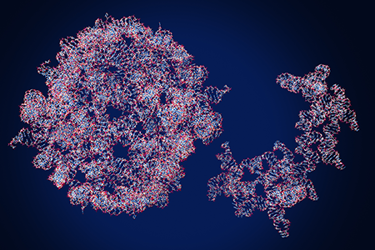
The commercialization of messenger RNA (mRNA) therapies has fundamentally changed the pharmaceutical landscape, creating unprecedented opportunities to combat complex diseases. Because raw mRNA molecules are highly fragile and prone to rapid degradation, they rely on complex carrier vectors like lipid nanoparticles (LNPs) to ensure safe cellular delivery. This structural vulnerability introduces intense requirements for primary packaging, where any adverse chemical interaction or physical stress can alter lipid structure and compromise therapeutic efficacy.
To mitigate these risks, drug developers are prioritizing advanced primary containment systems designed explicitly for sensitive biologics. Utilizing high-purity glass and polymer containers with specialized internal surface treatments minimizes extractables and leachables, preventing alterations in formulation pH and particle size. Additionally, implementing rigorous container-closure integrity testing across extreme cold-chain storage conditions safeguards against oxygen ingress and microbial contamination. Transitioning to these optimized containment frameworks allows manufacturers to preserve biological activity, optimize stability, and accelerate the commercialization of life-changing genomic medicines.
Explore the complete industrial study to discover how advanced vial and syringe configurations optimize stability and scale up manufacturing for next-generation mRNA platforms.
Get unlimited access to:


Enter your credentials below to log in. Not yet a member of Drug Delivery Leader? Subscribe today.