
Red Blood Cell-Based Delivery: Promising Steps Forward
A conversation with Derin Sevenler, Ph.D., assistant professor, Carnegie Mellon University
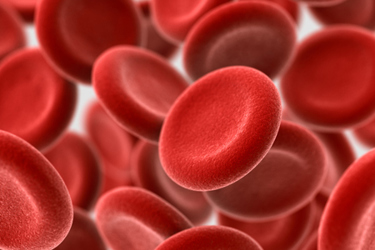
Viscoelastic mechanoporation is a mechanism of reversibly permeabilizing the cell membrane, allowing for delivery of biomolecules to mammalian cells ex vivo. At Carnegie Mellon University, researchers have developed a new method for loading biologically active components into red blood cells (RBCs) with the goal of creating a platform for diverse therapeutic administration.
In this Q&A, Drug Delivery Leader’s Izzy Dininny caught up with Derin Sevenler in the Chemical Engineering department at Carnegie Mellon University to discuss his recent advances in red blood cell engineering and what they mean for the future of drug delivery.
For readers who may be less familiar with RBC-based drug delivery, could you walk us through the progression from loading a therapeutic into the cell to its release and activity in the patient after infusion?
As a potential drug delivery platform, red blood cells have several unique advantages as well as challenges. Normally, RBCs have a lifetime of roughly 120 days in circulation before being recycled, primarily by macrophages in the spleen but also in the liver. So, we and other investigators have been interested in using red blood cells as a vehicle that targets these organs. My group is particularly interested to see if we can take advantage of this natural circulation time to target macrophages over an extended period of time. We are taking the approach to load drugs into the cytosol of the cells, alongside the hemoglobin, where the drug would essentially stay dormant until the cell is eventually processed by a macrophage. We do this by pumping cells through a microfluidic chip that exposes the cells to an extremely short, sub-millisecond pulse of shear stress that creates nanoscale pores in the membrane. We use these pores to load large and membrane-impermeable molecules into cells, and the pores reseal naturally within a few minutes.
How adaptable is this technology to different cargo types, including proteins, peptides, nucleic acids, and gene-editing components? Would you expect similar therapeutic efficacy across the board?
One of the strengths of our microfluidic approach is that we can load a broad range of different drugs and biomolecules into many different types of cells, including but not limited to RBCs. We’ve had good success at loading small molecules, nucleic acids, peptides, proteins, and even synthetic nanoparticles into cells this way. Of course, the specific cargo and formulation depends on the application involved. Historically, one of the most promising applications for engineered RBCs has been in immunomodulation. For these applications, the cargo molecule is typically a peptide or protein. In our case, we are exploring whether we can pack very high concentrations of drug into the cells without compromising their phenotype. This would have the effect of achieving therapeutic doses with a smaller and safer infusion.
A concern with RBC drug carriers is immune recognition and rapid clearance. What are you learning about how modified RBCs interact with the immune system?
An advantage of working with red cells is that it’s a well-studied system. Blood products are ubiquitous in medicine, and a great deal is known about RBC biodistribution, clearance, and safety profile. So, we have relatively good information about what needs to track during development to ensure our products are safe and also retain their ability to stay in circulation.
That being said, we and other investigators have seen that many of the methods for loading molecules into RBCs, including reversible membrane disruption as we are doing, usually also lead to an aged phenotype. Red blood cells are a terminally differentiated cell type with very limited ability to rejuvenate. As they accumulate molecular and structural damage, this manifests in a variety of biomarkers, including lipid and protein membrane composition and organization, as well as overall cell stiffness. It is part of a red cell’s function to actively broadcast its degraded fitness by presentation of “eat me” signals, and a variety of different damage mechanisms — such as oxidative stress or membrane damage — can all drive the cell toward this aged phenotype.

To address this, my group is taking inspiration from the medical field of surgery. If we imagine membrane disruption and drug loading as analogous to a surgical procedure on an individual cell, we are asking, “What would preoperative and postoperative care look like?” We are also thinking about how to load the same amount of drug into cells using minimally invasive methods that limit the damage to the cell as much as possible.
From a drug delivery perspective, which therapeutic areas stand to benefit most from long-circulating RBC carriers?
Immunomodulation has been an ongoing area of focus for many investigators, by using RBCs as antigen carriers. This could be used either to activate immune responses against a specific antigen, which has been advanced as a strategy for cancer immunotherapy, for example, or to drive immune tolerance to treat autoimmune diseases or allergy. There have been some promising laboratory results in the past across all of these fronts, but those results haven’t yet translated to commercial successes. It seems that one commonality has been the challenge of scalable manufacturing. Our group’s focus is really on addressing this manufacturing bottleneck, to enable any and all of these applications.
Looking five to 10 years ahead, what does success for RBC-based drug delivery look like? Is it a niche solution for specific therapies, or could it become a broadly applicable delivery platform?
I would frame RBCs as a specialist system that has some unique features in persistence, biocompatibility, and biodistribution that would be very difficult to replicate synthetically. They are certainly not a do-everything, go-anywhere delivery vehicle. In 2026 we don’t yet have an FDA-approved red cell therapy and there have been some disappointing clinical trial results in the last five years, but there is a sustained interest in the USA and abroad. One of the hard-won lessons is that clinical-scale GMP manufacturing cannot be taken for granted. The complexities in current manufacturing methods means that trials become that much more challenging to deploy at a suitable power to show a clinical effect. Decades of laboratory studies have validated much of the core science, so in my opinion, it is an exciting time to be working on addressing the challenges in manufacturing.
About The Expert:
 Derin Sevenler is an assistant professor in the Department of Chemical Engineering at Carnegie Mellon University researching problems at the interface of biotechnology and fluid mechanics. His interests include microfluidics, non-Newtonian and complex fluids, biomaterials, gene and drug delivery, nano-optics, and molecular diagnostics. Earning his Ph.D. in biomedical engineering from Boston University and his B.S. in mechanical and aerospace engineering from Cornell University, Sevenler served as a postdoctoral fellow at Massachusetts General Hospital and an instructor in the Center for Engineering in Medicine & Surgery at Massachusetts General Hospital and Harvard Medical School. Sevenler is a recipient of the NIH Pathway to Independence Award.