
The Future Of Kidney Disease Therapeutics: Bringing Nanomedicine To Nephrology
By Ryan M. Williams, Stony Brook University Department of Medicine, Division of Nephrology and Hypertension
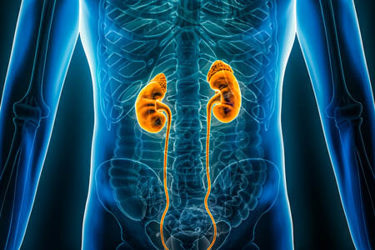
Kidney diseases are often overlooked, underdiagnosed, and undertreated. In many patients, they are underprioritized relative to associated cardiovascular, autoimmune, and metabolic disorders. However, an estimated 37 million Americans, one in seven adults, are living with kidney diseases.1 An additional 90 million Americans are at risk due to diabetes, hypertension, or other factors.1 Nearly 1 million Americans are already living with kidney failure requiring dialysis or kidney transplantation.2 Kidney disease places a substantial burden on the nation’s healthcare system and there is clear need for better targeted therapeutics. Kidney disease treatment is fundamentally a drug delivery problem as much as it is a biological one.
Current Status Of Kidney Therapeutics
Clinical management of kidney disease focuses on general supportive therapies and a few workhorse therapeutics.3 Those supportive therapies include:
- managing blood pressure and fluid volume with diuretics and beta blockers,
- managing diabetes with drugs like insulin,
- stopping use of nephrotoxic drugs, and
- managing comorbidities and complications.
Ultimately, patients can progress to renal-replacement therapies including dialysis and kidney transplant. There are four modern pillars of pharmacological kidney disease treatment:4
- Renin-angiotensin-aldosterone (RAAS) inhibitors (angiotensin-converting enzyme or ACE inhibitors and angiotensin II receptor blockers ARBs)
- Sodium-glucose cotransporter 2 (SGLT2) inhibitors
- Mineralocorticoid receptor antagonists (MRAs) (such as finerenone, to reduce fibrosis in diabetic kidney disease)
- GLP-1 receptor agonists (There is a direct effect on kidney function, in addition to their weight-loss and general cardiovascular benefits.)
Despite these advances, however, chronic kidney disease (CKD) cannot be stopped or reversed with any of these therapies, only slowed. Many patients don’t respond at all to these therapeutics, or they may not be indicated for specific populations.
Outside of classical progressive kidney disease, even fewer options exist. Tolvaptan, which is shown to slow cyst growth and decline of kidney function,5 was approved in 2018 to treat autosomal dominant polycystic kidney disease (ADPKD). However, tolvaptan therapy can be poorly tolerated; it carries a black box warning for liver toxicity and does not improve kidney function, only slows the rate of decline. There are no therapeutics available to prevent or directly treat acute kidney injury (AKI) or prevent its transition to CKD.
Because of the overall lack of therapeutics, and the increased recognition of the importance of renal function in cardiovascular and metabolic diseases, there has been significant new interest in developing kidney disease therapeutics. There are investments by pharmaceutical companies in new therapeutic targets, including: IgA nephropathy that inhibit B cell proliferation, anti-inflammatory therapeutics for lupus nephritis, anti-microRNA therapeutics for ADPKD, and several others.
From the examples above, only one, the anti-microRNA for ADPKD, farabursen, acts directly on cystic kidney cells. The other pipeline therapeutics do not directly act on the kidney or reverse kidney function decline; this is where nanomedicine for kidney disease will play an important role.
Nanomedicine: Solving The Delivery Problem
The lack of kidney disease therapeutics does not solely stem from a paucity of effective drugs; there is an abundance of potentially effective drugs like anti-fibrotics, antioxidants, immune modulators, and antiproliferative agents. The issue is most of these have poor pharmacology with respect to the kidney; many can be excreted through the urine, but they have little to no absorption or residence time in kidney tissue.
Because of the kidney delivery hurdle, several therapies remain untapped. In previous years, the field was primarily focused on linear polymer-based delivery strategies. Despite several of these demonstrating improved uptake in the kidneys, none have reached the market. There is substantial momentum across biotech toward the use of kidney-targeted siRNA, mRNA, and gene editing therapies. Over the past decade, a plethora of research groups have approached solving the delivery problem with nanotechnology-based technology, motivated by versatility of cargoes and carriers, as well as improved targeting and safety.
To put into perspective the growth in this field, our lab has kept a running list over the past several years of new papers that claim some level of kidney targeting and therapeutic efficacy with nanoparticle delivery systems. In 2015, in the field of kidney-targeted drug delivery, there were about five papers published. Today, there are approximately 100 scientific journal articles that are broadly focused on, or incorporate, kidney-targeting nanoparticles for drug delivery, with another 50 or so reviews in this field.6 About 40% of these have been published in the last two years.
Our group has focused on kidney-targeting polymeric mesoscale nanoparticles, demonstrating their ability to deliver siRNA, mRNA, peptides, and small molecules. Therapeutic efficacy has been observed in mouse and rat models of cisplatin-induced kidney injury, ischemic kidney injury, diabetic kidney disease, hypertensive kidney fibrosis, and others.6,7 Other encouraging technologies include orally administered micelles,8 AKI-treating tetrahedral nucleic acids,9 and dendrimers,10 among other promising strategies.11 While these innovations are good for future patients, there is a need for more near-term focus, not just growth of the field.
Vertical Expansion To Bridge The Translation Gap
The recent explosion of kidney-targeting nanomedicine manuscripts is evidence of a broad and expanding set of technologies, strategies, and scientists in the field. The vertical expansion pipeline to move these technologies into the clinic, however, remains relatively sparse. This could reflect the recent publishing of these technologies; while clinical translation is planned, there has not been time for these efforts to materialize yet. But, to our knowledge, only around four of these technologies have been evaluated in larger animal models, such as non-human primates or pigs.11 In three of those, only biodistribution and/or safety was assessed, and none seem to have gone beyond one or two large animals. Several of the technologies are quite promising, but the gap in translation is yet to be bridged.
There can be a tendency to chalk up this gap to the inherent questions about nanotechnology. Many in the broader nanomedicine field regularly hear questions about potential toxicity, issues with scale-up, or issues with animal models. But about 100 nanomedicines have been approved by various regulatory bodies, including both therapeutics and injectable diagnostics. Some examples include:
- Doxil, the first approved nanomedicine therapeutic in 1995
- Abraxane, the first blockbuster anticancer nanomedicine
- lipid nanoparticle-encapsulated mRNA COVID vaccines, which the world became familiar with following the pandemic
- iron oxide nanoparticles, such as ferumoxytol, MRI contrast agents, and iron replacement therapies (in separate formulations).

Decades of process engineering demonstrate that scale-up is not insurmountable when simple, well-defined design principles are applied using established manufacturing technologies. These successes belie the potential hurdles outlined above. These examples, and others not mentioned, are approved because they offer clear efficacy and safety in therapy or disease diagnosis. And they wouldn’t be marketed and sold without reliable manufacturing at scale.
A pathway forward for kidney nanomedicine exists, whether in the general therapeutic development world or specifically in cancer nanomedicine. Cancer nanomedicine has grown so much that there exists a critical mass of translationally minded investigators with sufficiently effective technologies, strong clinical and basic biology collaborators, and industry connections. Kidney nanomedicine is about 30 to 40 years behind in this regard, but, unfortunately, our patients don’t have that much time to wait.
Collaborations To Move Momentum Toward The Kidney Patient
The kidney nanomedicine field has many great minds and promising technologies. The need is more collaboration with clinicians and basic disease biologists to improve rationale behind therapeutic cargoes and targets, as well as matching materials to physiology and disease processes. For example, a therapeutic that is effective in reversing fibrosis in CKD may be detrimental in the AKI context.
Along with collaboration, the field needs investment and/or industry involvement. There are five startup companies that are in the seed or pre-seed stages whose primary goal is kidney-targeted drug delivery with nanomaterials. Each has interesting strategies and sharp leadership, but all are in the early momentum-building stages of development. It is also important to point out that there are perhaps two companies focused on viral delivery of gene therapies to the kidneys. But there are few, if any, kidney-targeted delivery approaches being actively developed within major pharmaceutical or biotechnology companies.
The emerging literature shows what is possible with kidney-targeted nanomedicine: strong efficacy in a variety of disease models, with a variety of cargoes, across several promising therapeutic delivery systems. Some studies have demonstrated that directly improving kidney function and reducing fibrosis can broadly improve cardiovascular and metabolic diseases, including hypertension and diabetes.12, 13 This brings us full circle: kidney diseases are both underexploited for broadly improving chronic diseases and underserved with the current clinical offerings and pipeline.
Developing such therapeutics is extremely difficult. But coalitions of academic materials scientists and engineers, renal disease biologists, nephrologists, and clinical pharmacologists are starting to emerge. Bridging the translational gap from those groups to spinoffs and startups requires buy-in from business development and scientific collaborators at large pharma/biotech, plus time and capital investment from venture groups.
We are not starting from scratch; the road map established by cancer nanomedicine is already in front of us. Nanomedicine is no longer a futuristic sci-fi concept but a mature field ready to impact those beyond cancer and the liver. Realizing its impact in nephrology will require strong leadership, sustained investment, and broad collaboration. While these needs are significant, the potential impact on kidney health and systemic chronic disease are substantial.
References:
- Murray, R.; Zimmerman, T.; Agarwal, A.; Palevsky, P. M.; Quaggin, S.; Rosas, S. E.; Kramer, H. Kidney-related research in the United States: a position statement from the National Kidney Foundation and the American Society of Nephrology. American Journal of Kidney Diseases 2021, 78 (2), 161-167.
- Johansen, K. L.; Gilbertson, D. T.; Li, S.; Li, S.; Liu, J.; Roetker, N. S.; Hart, A.; Knapp, C. D.; Ku, E.; Powe, N. R. U.S. Renal Data System 2024 annual data report: epidemiology of kidney disease in the United States. American Journal of Kidney Diseases 2025, 85 (6), A8-A11.
- Pethő, Á. G.; Tapolyai, M.; Csongrádi, É.; Orosz, P. Management of chronic kidney disease: The current novel and forgotten therapies. Journal of clinical & translational endocrinology 2024, 36, 100354.
- Agarwal, R.; Fouque, D. The foundation and the four pillars of treatment for cardiorenal protection in people with chronic kidney disease and type 2 diabetes. Oxford University Press: 2023; Vol. 38, pp 253-257.
- Gittus, M.; Haley, H.; Harris, T.; Borrows, S.; Padmanabhan, N.; Gale, D.; Simms, R.; Williams, T.; Acquaye, A.; Wong, A. Commentary: tolvaptan for autosomal dominant polycystic kidney disease (ADPKD)-an update. BMC nephrology 2025, 26 (1), 79.
- Vasylaki, A.; Ghosh, P.; Jaimes, E. A.; Williams, R. M. Targeting the kidneys at the nanoscale: nanotechnology in nephrology. Kidney360 2024, 5 (4), 618-630.
- Williams, R. M.; Shah, J.; Ng, B. D.; Minton, D. R.; Gudas, L. J.; Park, C. Y.; Heller, D. A. Mesoscale nanoparticles selectively target the renal proximal tubule epithelium. Nano letters 2015, 15 (4), 2358-2364.
- Huang, Y.; Osouli, A.; Pham, J.; Mancino, V.; O’Grady, C.; Khan, T.; Chaudhuri, B.; Pastor-Soler, N. M.; Hallows, K. R.; Chung, E. J. Investigation of basolateral targeting micelles for drug delivery applications in polycystic kidney disease. Biomacromolecules 2024, 25 (5), 2749-2761.
- Yan, R.; Cui, W.; Ma, W.; Li, J.; Liu, Z.; Lin, Y. Typhaneoside-tetrahedral framework nucleic acids system: mitochondrial recovery and antioxidation for acute kidney injury treatment. ACS nano 2023, 17 (9), 8767-8781.
- Matsuura, S.; Katsumi, H.; Suzuki, H.; Hirai, N.; Hayashi, H.; Koshino, K.; Higuchi, T.; Yagi, Y.; Kimura, H.; Sakane, T. l-Serine–modified polyamidoamine dendrimer as a highly potent renal targeting drug carrier. Proceedings of the National Academy of Sciences 2018, 115 (41), 10511-10516.
- Schoales, Z.; Ghosh, P.; Vasylaki, A.; Jaimes, E. A.; Williams, R. Pathways to translation for nanomedicine in nephrology. Clinical kidney journal 2025, 18 (9), sfaf192.
- Veiras, L. C.; Bernstein, E. A.; Cao, D.; Okwan-Duodu, D.; Khan, Z.; Gibb, D. R.; Roach, A.; Skelton, R.; Williams, R. M.; Bernstein, K. E. Tubular IL-1β induces salt sensitivity in diabetes by activating renal macrophages. Circulation research 2022, 131 (1), 59-73.
- Benson, L. N.; Liu, Y.; Wang, X.; Xiong, Y.; Rhee, S. W.; Guo, Y.; Deck, K. S.; Mora, C. J.; Li, L.-X.; Huang, L. The IFNγ-PDL1 pathway enhances CD8T-DCT interaction to promote hypertension. Circulation research 2022, 130 (10), 1550-1564.
About The Author:
 Ryan M. Williams, Ph.D. is a SUNY Empire Innovation associate professor of medicine at Stony Brook University in the Division of Nephrology and Hypertension. He is also the associate director of translation and commercialization in the Department of Medicine. From 2019-2025, he was an assistant professor of biomedical engineering in The City College of New York Grove School of Engineering. Williams was an American Heart Association postdoctoral fellow and an Ovarian Cancer Research Alliance mentored investigator at Memorial Sloan Kettering Cancer Center in the Cancer Nanomedicine laboratory of Dr. Daniel Heller from 2013 until August 2019. He earned his Ph.D. in Pharmaceutical Sciences from West Virginia University in 2013 and a BA in Biology from the University of Virginia in 2008. Williams’s lab focuses on the design and characterization of nanotechnologies for implantable optical diagnostics and targeted drug delivery systems. He can be contacted via email at ryan.williams@stonybrookmedicine.edu.