
Why Improving Drug Delivery Remains A Major Opportunity In Oncology
By Eric Poma, Ph.D., CEO of Calidi Biotherapeutics
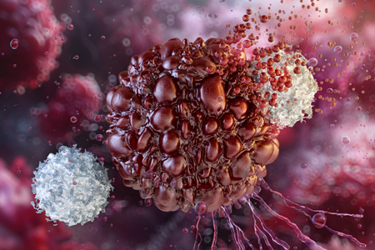
Cancer treatment has advanced significantly over the last two decades, with immunotherapies, targeted therapies, and cell therapies changing the standard of care across various cancer and tumor types. Despite this progress, effectively delivering therapies to tumors while minimizing systemic toxicity remains a challenge for the industry, limiting lifesaving outcomes in oncology.
Many therapies struggle to reach metastatic tumors, while others may activate a broad immune response rather than localized one, increasing the risk of side effects and limiting therapeutic concentration at the tumor site. As a result, there remains significant unmet need for treatment approaches capable of selectively reaching tumors and driving therapeutic activity within the tumor microenvironment.
Cancer is one of the leading causes of death worldwide, accounting for nearly 10 million deaths in 2020 according to the World Health Organization. In many advanced cancers, outcomes remain poor even as new therapies continue to emerge. Non-small cell lung cancer, for example, has an estimated five-year survival rate of approximately 30%, with outcomes declining significantly in metastatic disease. Head and neck cancers also continue to present major treatment challenges, particularly in later-stage disease.
One area receiving renewed attention is virotherapy, particularly systemically delivered oncolytic viruses engineered to selectively target tumors and modify the tumor microenvironment.
The Limits Of Conventional Drug Delivery In Oncology
Traditional oncologic drug delivery approaches often face competing priorities. Therapies must reach sufficient concentration within tumors to generate meaningful activity while maintaining low enough concentration in healthy tissue to avoid excessive exposure.
Tumors are biologically heterogeneous; differences in vascularization, immune composition, stromal barriers, and receptor expression can all affect whether a therapy successfully reaches the tumor site. Additionally, the immune system itself can limit therapeutic delivery. Biologic therapies introduced systemically may be rapidly identified and cleared before reaching their intended target. Alternatively, many immunotherapies rely on systemic immune activation. While these approaches can produce meaningful responses, they may also generate inflammatory toxicities that limit dosing flexibility or patient eligibility.
Why The Tumor Microenvironment Matters
The tumor microenvironment has become an increasingly important focus in cancer research because of the central role it plays in disease progression and therapeutic response. Tumors interact continuously with immune cells, stromal cells, blood vessels, and signaling molecules within their surrounding environment. In many cancers, this microenvironment suppresses immune activity and creates conditions that help tumors avoid destruction. For this reason, many next-generation oncology strategies aim to kill tumor cells directly and alter the tumor microenvironment in ways that support stronger anti-tumor immune responses.
Therapeutic payloads intended to stimulate immune activity within tumors have limited benefit if they cannot reach sufficient concentrations at the tumor site. On the other hand, therapies that circulate broadly throughout the body may increase immunogenic toxicity without producing the intended local effect.

The Evolution Of Oncolytic Virotherapy
For years, oncolytic virotherapy has been studied as a potential mechanism for selectively targeting cancer cells. Early approaches focused primarily on engineering viruses capable of infecting and killing tumor cells while sparing healthy tissue. The field reached a major inflection point with the growing recognition that oncolytic viruses could do more than directly destroy tumor cells. Researchers increasingly demonstrated that these therapies could also stimulate anti-tumor immune responses, shifting development efforts toward platforms designed to combine tumor lysis, immune activation, and targeted delivery. However, one of the longstanding challenges in systemic virotherapy is immune clearance, as many viral therapies struggle to persist in circulation long enough to effectively reach tumors following intravenous administration.
Calidi’s RedTail platform uses an engineered enveloped oncolytic virus designed to evade immune clearance and improve delivery to tumor tissue. Once at the tumor site, the therapy induces tumor cell lysis while delivering genetic payloads directly within the tumor microenvironment. This design enables systemic administration with selective tumor targeting.
Advancing Targeted Payload Delivery
Calidi’s lead program, CLD-401, is engineered to evade immune clearance by utilizing a human envelope combined with overexpression of CD55. It is intended for systemic administration, with the ability to home to the tumor cells, where it induces cell lysis and delivers an IL-15 superagonist within the tumor microenvironment.
IL-15 is a cytokine associated with activation of CD8 T-cells, gamma delta T cells, and natural killer (NK) cells. Preclinical data evaluating IL-15 expression and immune changes within the tumor microenvironment demonstrated recruitment and activation of NK, NK-T, and gamma delta T cells. Further analysis showed low circulating levels of IL-15, with high intratumoral expression observed. These data showcase the goal: increase immune activation in a way that concentrates activity within tumors while reducing systemic exposure.
Systemic Delivery And Metastatic Disease
Therapies capable of effectively reaching tumor metastases continue to represent a major area of unmet need. Localized therapies administered directly into tumors may offer advantages in accessible lesions but face limitations in widespread metastatic disease.
Developing systemically delivered therapies that can successfully navigate circulation, avoid premature immune clearance, and selectively reach tumors has historically been difficult. Technologies designed to improve systemic tumor targeting may help expand treatment options for cancers where metastases are difficult to access directly. Calidi’s approach focuses on systemic delivery to distal tumor sites, including metastatic disease.
Looking Ahead
The broader oncology landscape continues to evolve toward more targeted and biologically informed treatment approaches. Advances in genomics, immunology, and genetic engineering are creating new opportunities to rethink how therapies are delivered and activated within tumors.
Drug delivery also remains a foundational challenge that continues to influence therapeutic outcomes across oncology. Improving delivery efficiency may help unlock the potential of existing therapeutic mechanisms while also enabling entirely new treatment approaches.
The oncolytic virotherapy field continues to advance as researchers explore ways to improve tumor targeting, payload delivery, and systemic administration. While substantial work remains ahead across the field, recent advances suggest that the next phase of oncologic innovation depends on identifying new therapeutic targets and improving how therapies reach tumors in the first place.
About The Author
 Eric Poma, Ph.D., has served as CEO and a board director of Calidi Biotherapeutics since April 2025. He brings more than 30 years of biopharmaceutical industry experience spanning capital raising, strategic partnerships, and clinical development. Prior to Calidi, he served as CEO of Molecular Templates, where he raised more than $250 million in equity financing and secured over $150 million through collaborations with Takeda, Vertex, and Bristol Myers Squibb. Earlier roles included leadership positions at Innovive Pharmaceuticals and ImClone Systems. Poma holds a Ph.D. in microbiology and immunology and a B.S. in biology from the University of North Carolina at Chapel Hill, as well as an MBA from New York University’s Stern School of Business.