|
|
|
|
Higher-volume, higher-viscosity subcutaneous formulations are emerging as alternatives to intravenous infusion, moving chronic disease therapy beyond the clinic. Swine offer a physiologically similar, highly predictive model for assessing injection feasibility and safety.
|
|
|
|
|
As large-volume subcutaneous therapies grow, so does demand for wearable injectors patients can use with confidence. Discover how human-factors-driven design simplifies preparation, reduces user error, and builds safety into every step of the self-injection experience.
|
|
|
|
|
For people with chronic illness, managing medication can be a constant burden. Explore key findings from a recent wearable injector clinical trial, including its positive impact on patient experience and the broader benefits of wearable delivery for chronic care.
|
|
|
|
|
An early feasibility study of the BD Libertas™ Wearable Injector showed consistent performance as designed and broad acceptability across demographic groups and injection sites. Learn why these results are promising for the future of subcutaneous chronic disease therapy.
|
|
|
|
|
|
|
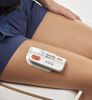
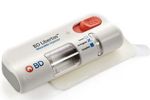
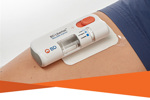
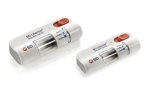
The BD Libertas™ Wearable Injector is designed to deliver large-volume (2–5 mL or 5–10 mL) and/or high-viscosity (up to 50 cP) fixed-dose biologics subcutaneously in non-acute settings. Explore how this advanced system improves the patient experience.
|
|
|
|
|
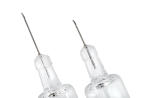
Designed for viscous formulations, the BD Neopak™ XtraFlow™ Glass Prefillable Syringe uses a shorter, thinner needle to reduce injection risk while lowering the force and time required. The result is improved comfort and usability during administration.
|
|
|