In this episode of In Combination, Paul Chao and Carolyn Dorgan from combination product and delivery device consultancy Suttons Creek join host Tom von Gunden to discuss strategic considerations and best practices for employing technology platforms in device development for injection-based delivery. The conversation illuminates aspects such as the design space across product assets in development, component options within a platform offering, and regulatory pathways for platform-based submissions.
AAPS PharmSci 360 delivers research from across the drug development pipeline. Thousands of scientists from across the globe will converge October 25-28 in New Orleans to discuss cutting-edge breakthroughs at this science-first event.
A sprinkle formulation helps patients with tremors or dysphagia take medication more easily, improving adherence, comfort, and care through a novel, FDA-approved oral granule format.
Automated manufacturing is a powerful but often misunderstood tool available to produce drug delivery and other pharmaceutical devices — whether established designs or innovative new ideas.
NAM adoption is constrained by inconsistent cell sourcing, limited standardization, and regulatory uncertainty — barriers that must be addressed to enable reproducible evidence and regulatory trust.
Navigating PFS selection requires balancing complex regulatory requirements and supply chain logistics. Adopting an integrated system approach provides unified data and streamlined documentation.
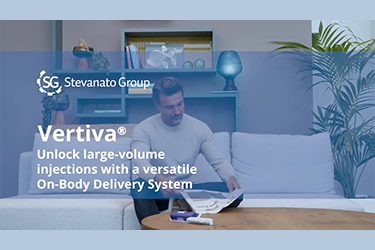
See a large-volume drug delivery with a pre-filled, pre-loaded on-body device. Its programmable dosing profiles and reusable controller offer sustainable treatment while minimizing patient use errors.
A next‑generation injectable system uses shorter, thinner needles to reduce injection risk, lower force and time requirements, and improve comfort and usability for administering viscous formulations.