

Precision oncology has transformed who receives treatment and what biology we target. The next frontier is designing where therapeutic activity occurs.


- Crossing The Uncrossable: Skin Biology For The Delivery Of Peptide And Protein Therapeutics
- When The Adhesive Becomes The Drug Delivery System
- Antibody–Oligonucleotide Conjugates, Part 1: Approaching Your AOC Development Plan
- Drug–Device Combination Products: Bridging Formulation, Device, And Manufacturing Decisions
- Rethinking Drug Delivery To Combat Antibiotic Resistance
- The Resurgence Of Fervor For Oral Delivery
- Advancing Multi-Pathology Disease-Modifying Therapy For Neurodegenerative Diseases
- Container Closure Systems For Biosimilars: Is There Regulatory Difference?
ON-DEMAND WEBINARS

Through case studies on modified release, poor solubility, and pediatrics, discover how integrating GMP manufacturing and clinical testing can rapidly accelerate development timelines for even the most challenging of molecules.

Strengthen risk mitigation strategies while ensuring regulatory alignment. Gain valuable insights into best practices and proactive approaches for building a robust and future-ready CCS.

Gain confidence in your container closure system selection by utilizing a stepwise and data-driven approach to predicting and verifying container closure integrity.
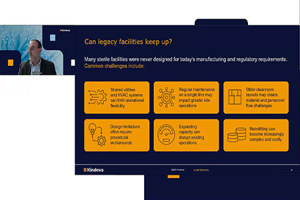
Modular suites with built-in contamination control streamline sterile manufacturing—supporting complex products, faster timelines, greater flexibility, less disruption, and scalable fill‑finish.
ARTICLES, APP NOTES, CASE STUDIES, & WHITE PAPERS
-
 Overcoming Wet Injection Challenges With Human-Centric Design
By understanding the causes of wet injections and employing effective mitigation strategies, we can design safer, more user-friendly, and more effective devices.
-
 A Taste Masked And Easily Swallowed Malaria Drug For Elderly Patients
Dysphagia impacts treatment compliance and disproportionately affects the elderly. Learn how microencapsulation enabled formulation of a water-soluble powder drives patient adherence.
-
 Lifecycle Planning For Containment And Delivery Of Biologics Drug Products
Read more about trends in the biologics market that could impact the lifecycle strategies for your drug product and steps you can take around drug packaging early in development.
-
 Data-Driven Approach Optimizes Robust, Scalable Lyophilization Process
Selecting the right manufacturing partner with appropriate lyophilization expertise, experience, and analytical capabilities can speed drug development and expedite time to market for lyophilized drugs.
-
 A Step Change In Pharmaceutical Glass Packaging Innovation
Valor Glass represents a significant, and much needed, step forward for glass innovation. Review the findings and learn how an aluminosilicate formulation can lower your glass vials' extractables profile.
-
 The Importance Of An Analytical Testing Strategy
A proper and well-thought-out combination product testing strategy, rooted in applicable guidances in sync with scientifically sound methods, data capture, and reporting and retainment, is critical.
-
 Trends In Combination Products
As demand grows for more patient-centric drug delivery via self-administration, combination products are on the rise. Explore three major regulatory themes to consider when producing drug/device combination products.
-
 10 Ways To Align Your Medical Device With Human Factors Industry Best Practices
Discover how patient-centric design principles can improve the development of medical devices. By focusing on user needs and behaviors, manufacturers can ensure that products align with expectations.
-
 De-Risking The Transition From Vial To Drug-Device Combination Product
When transitioning from a vial to a combination product system, the best approach is to have a holistic de-risk strategy with an intentional focus on the patient, the plan, and the product.
-
 Early Decisions To De-Risk The Transition To Combination Products
The injectable product development landscape is changing, and the pressure to accelerate timelines remains constant. What can you do to overcome all the uncertainty and risk?







TOM'S TAKES ON DRUG DELIVERY
TALKING WITH TOM VIDEOCASTS

Fran offers keen industry and technical insights exclusively on Drug Delivery Leader.
DELIVERED BY DEGRAZIO
-
 Container Closure Systems For Biosimilars: Is There Regulatory Difference?
In this article, Fran DeGrazio discusses the FDA’s draft guidance on container closure systems for biosimilar products. She highlights key takeaways and offers recommendations on implications that developers of biosimilar pharmaceutical products should consider in areas such as quality, testing, and documentation.

EDITORIAL COLLECTIONS KNOWLEDGE CENTER
Our Editorial Collections examine today’s biggest scientific, operational, and patient-centered drug delivery issues. These collections help companies navigate complex development decisions with in-depth analysis, real-world examples, and guidance from industry experts.


